Screen room enclosures in Bradley County, TN turn a bug-plagued patio or deck into usable living space for most of the year. Between humid summers and wooded lots around Cleveland and Charleston, an enclosed porch pays for itself fast in evenings you actually spend outside. Here's what it costs, what the county requires before you build, and how the installation actually goes.
Stessa Construction has handled framing, additions, and exterior upgrades across Bradley County for years, and the questions homeowners ask about screen rooms are almost always the same: what it costs, whether they need a permit, and how long their porch will be torn up. This guide answers all three.
Visit STESSA Construction, LLC to see our services and request a free estimate.
Why Screen Enclosures Make Sense Here
Bradley County sits in a humid subtropical climate zone, which means long mosquito and pollen seasons that outlast most people's patience for sitting outside. The Tennessee Department of Health tracks mosquito-borne illness statewide, and West Nile virus is the most common mosquito-borne virus in the United States that can infect people . A screened enclosure doesn't eliminate that risk, but it removes the daily exposure that comes with eating dinner or hosting friends on an open porch from May through October.
Beyond bugs, a screen room protects furniture and flooring from wind-blown rain and debris, something that matters more in a county that sees its share of spring storms rolling off the Tennessee River valley.
Types of Screen Room Enclosures
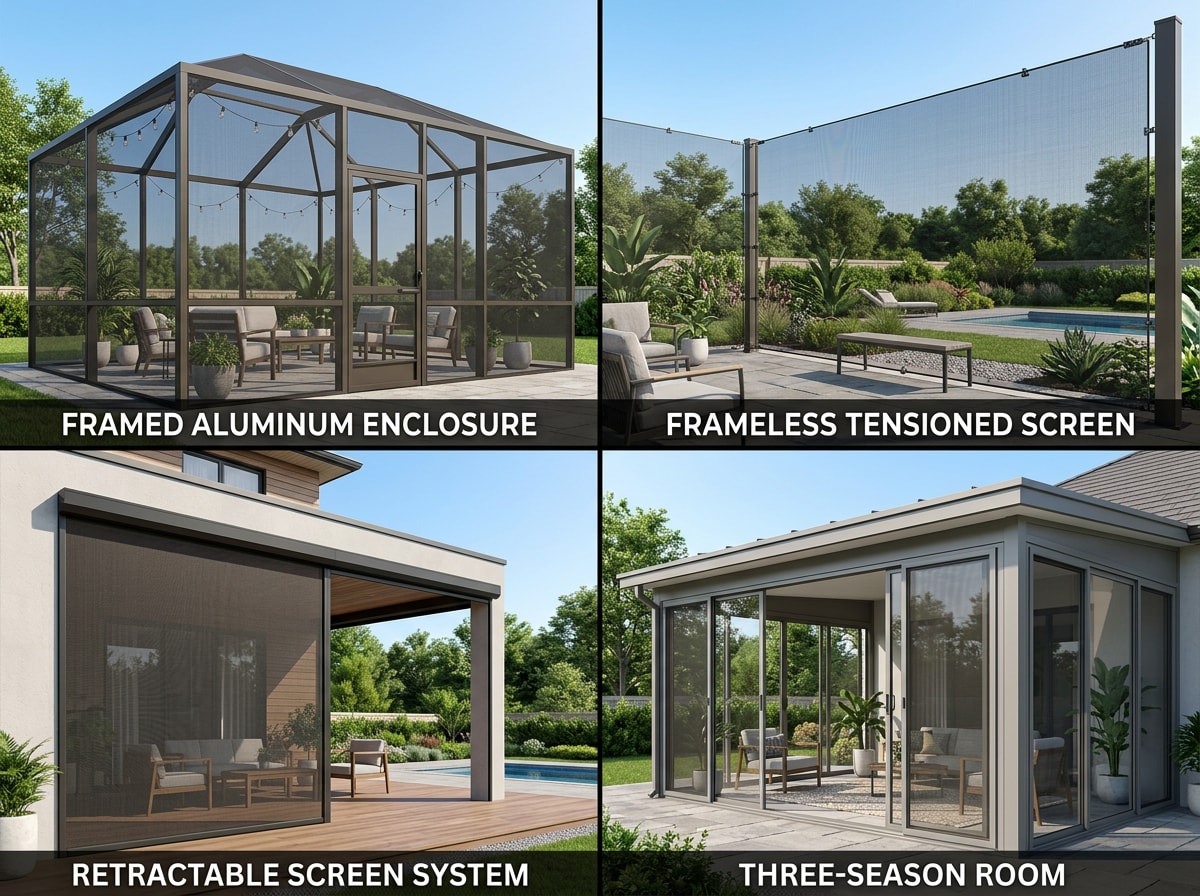
Screen enclosures come in four main styles: framed, frameless, retractable, and three/four-season systems, each differing in visibility, durability, and cost. Framed enclosures use aluminum or wood posts for structural support. Frameless designs rely on tensioned panels for a cleaner sightline. Retractable screens disappear into a housing when not in use, and three/four-season rooms add insulated glass or vinyl panels for year-round comfort.
| Type | Visibility | Durability | Approx. Cost Range |
|---|---|---|---|
| Framed | Good | High | $$ |
| Frameless | Excellent | Moderate | $$$ |
| Retractable | Excellent (open) | Moderate | $$$ |
| 3/4-Season | Moderate | Very High | $$$$ |
Screen material matters too. Standard insect mesh is the most affordable option, solar screen cuts glare and heat, and pet-resistant mesh resists tearing from claws. If you're weighing a screen room against a glass-enclosed option, our sunroom extension guide for Soddy Daisy covers the tradeoffs in more detail.
2026 Cost Ranges for Bradley County Projects
Pricing depends on three things: the size of the space, whether you already have a roof and slab to build on, and the screen and frame grade you choose.
- Screening an existing covered porch or patio: usually the most affordable path, since the roof and foundation already exist.
- Building a new framed enclosure from the ground up: costs more because it includes footings, posts, and a roof structure.
- Upgrading to a three- or four-season room: the priciest option, since it adds insulated panels, flooring upgrades, and sometimes HVAC tie-ins.
As a rough budgeting tool, expect simple re-screening of an existing structure to land in the low thousands, while a full framed addition with a new roof can run several times that, and a climate-controlled four-season conversion higher still. Every lot is different, so the only reliable number is a site-specific quote. Request a free estimate before you lock in a budget so you're pricing your actual structure, not a national average.
Do I Need a Permit to Enclose a Porch in Bradley County?
Most homeowners assume a screen room is too small to need a permit. In Bradley County, that assumption is wrong more often than not.
Under the county's building ordinance, no person shall erect, construct, or reconstruct any building or structure in Bradley County, or alter any existing structure, where the value of the work exceeds two thousand dollars, without first applying for a building permit . A screen room enclosure with new framing, a roof tie-in, or electrical work will almost always clear that threshold.
Permits for the county and the City of Charleston aren't handled online only. All permits for Bradley County and the City of Charleston must be purchased through the Planning & Inspections Office located at 155 Broad Street, NW, Cleveland, Tennessee . If your property falls inside Cleveland city limits instead of unincorporated Bradley County, check with the Cleveland, TN area page for how municipal review differs from county review, since the two jurisdictions don't always apply the same rules to the same project.
A few things that commonly trigger extra review on a screen room:
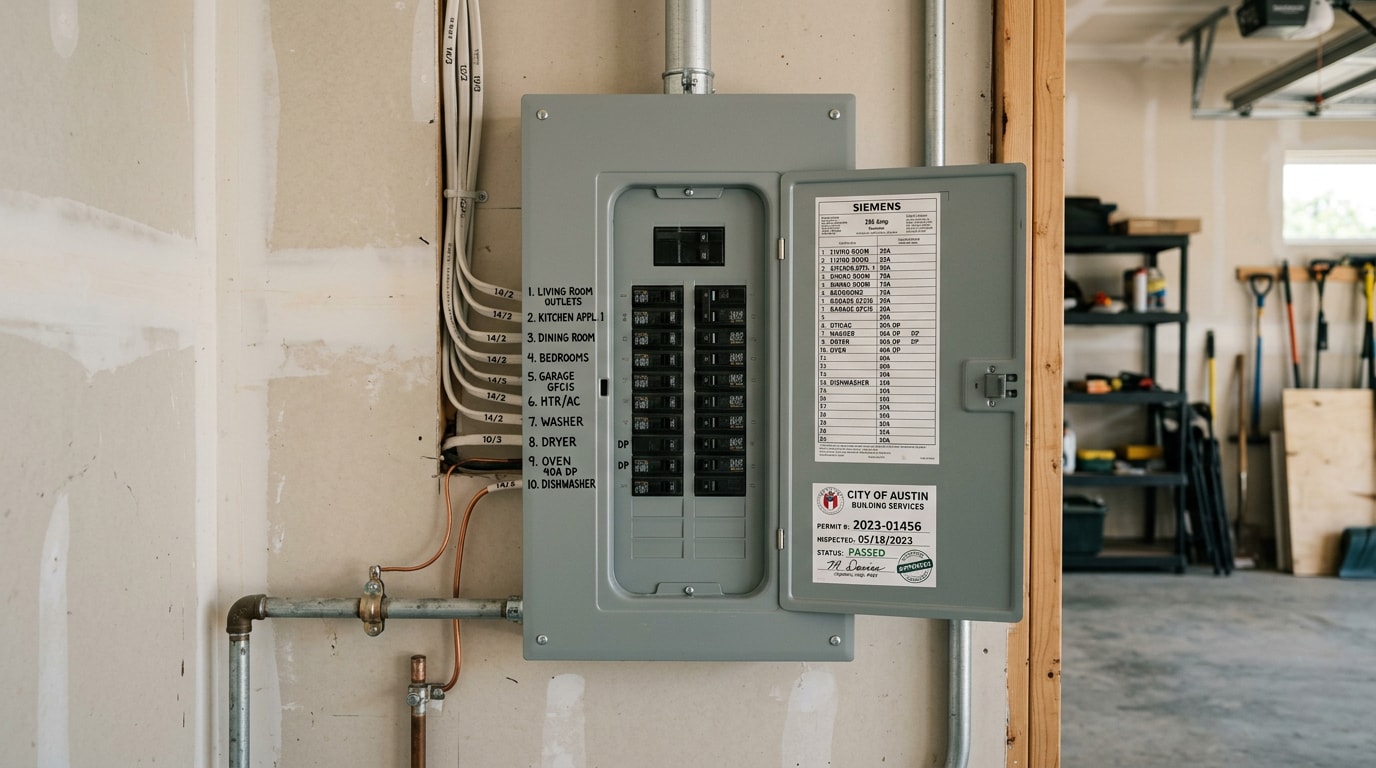
- Any electrical work, including outlets, fans, or lighting, needs its own electrical permit.
- Converting a screen room to a three- or four-season room later may require an updated permit if you add heating, cooling, or glass panels.
- Properties on septic systems may need a site check if the new structure sits near the drain field.
If you're also weighing a larger addition on the same property, our ADU remodel guide for Bradley County walks through zoning and permit timing for bigger projects.
Choosing the Right Enclosure for Your Home
Start by measuring your patio or porch and noting sun and wind exposure. Bradley County's storms and humidity mean sturdier frames and heavier-gauge screen material often pay off over the life of the structure, even if they cost more up front.
Think about how you'll actually use the space:
- Dining or entertaining favors wider door openings and durable, easy-clean flooring.
- A reading nook or home office benefits from solar screen to cut glare.
- Pet owners should budget for pet-resistant mesh, since standard fiberglass screen tears easily under claws.
Installation Process
Installation generally follows three stages: frame assembly, screen stretching, and door fitting. Building onto an existing porch or deck is usually faster than a from-scratch enclosure, since the structural base already exists.
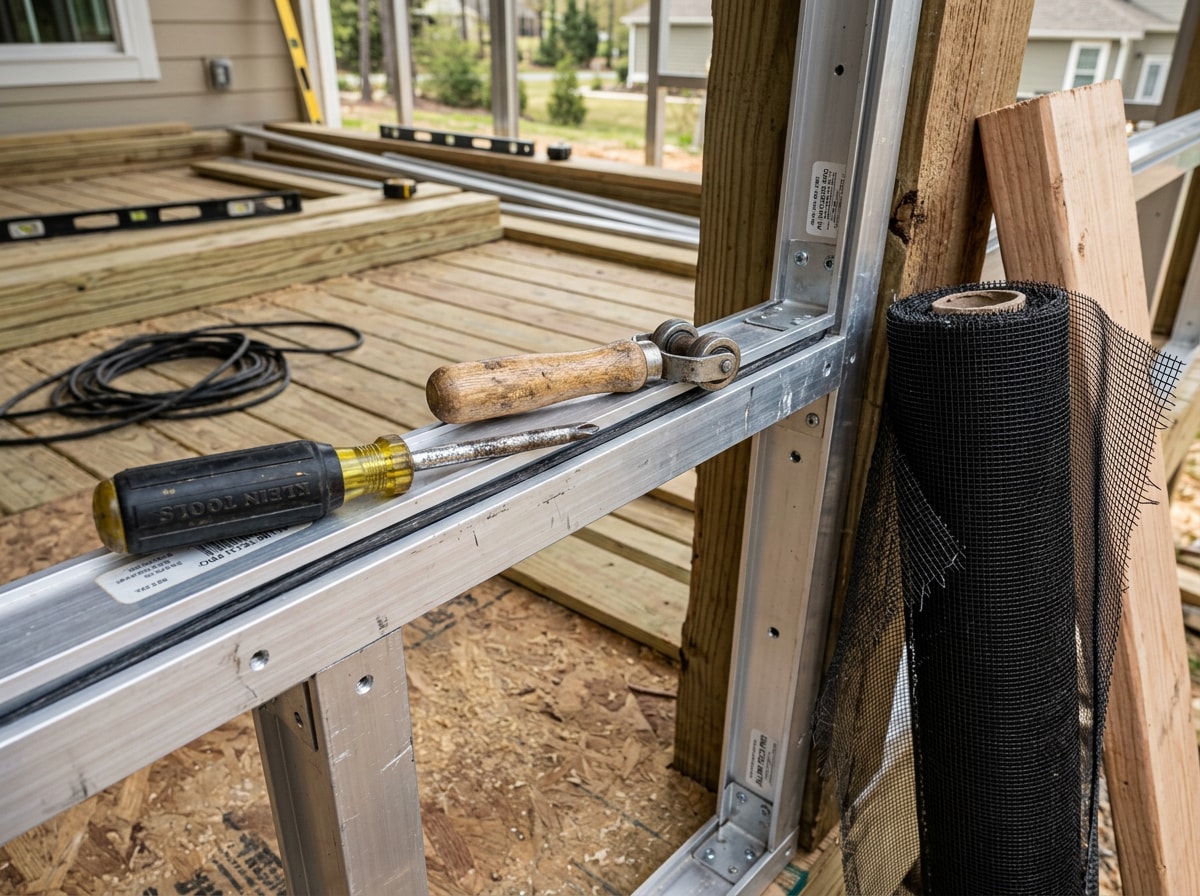
Crews measure openings, attach framing, then complete the screen installation using spline and roller tools for a taut, even fit. On a straightforward porch conversion with an existing roof, work typically wraps in a few days. A full ground-up enclosure with new footings and roofing takes longer and depends on permit turnaround and weather.
Maintenance and Care
Inspect screens regularly for tears and repair small damage before it spreads into a full panel replacement. A pre-winter check of frames, hardware, and seals helps the enclosure handle Tennessee's freeze-thaw swings without warping or loosening.
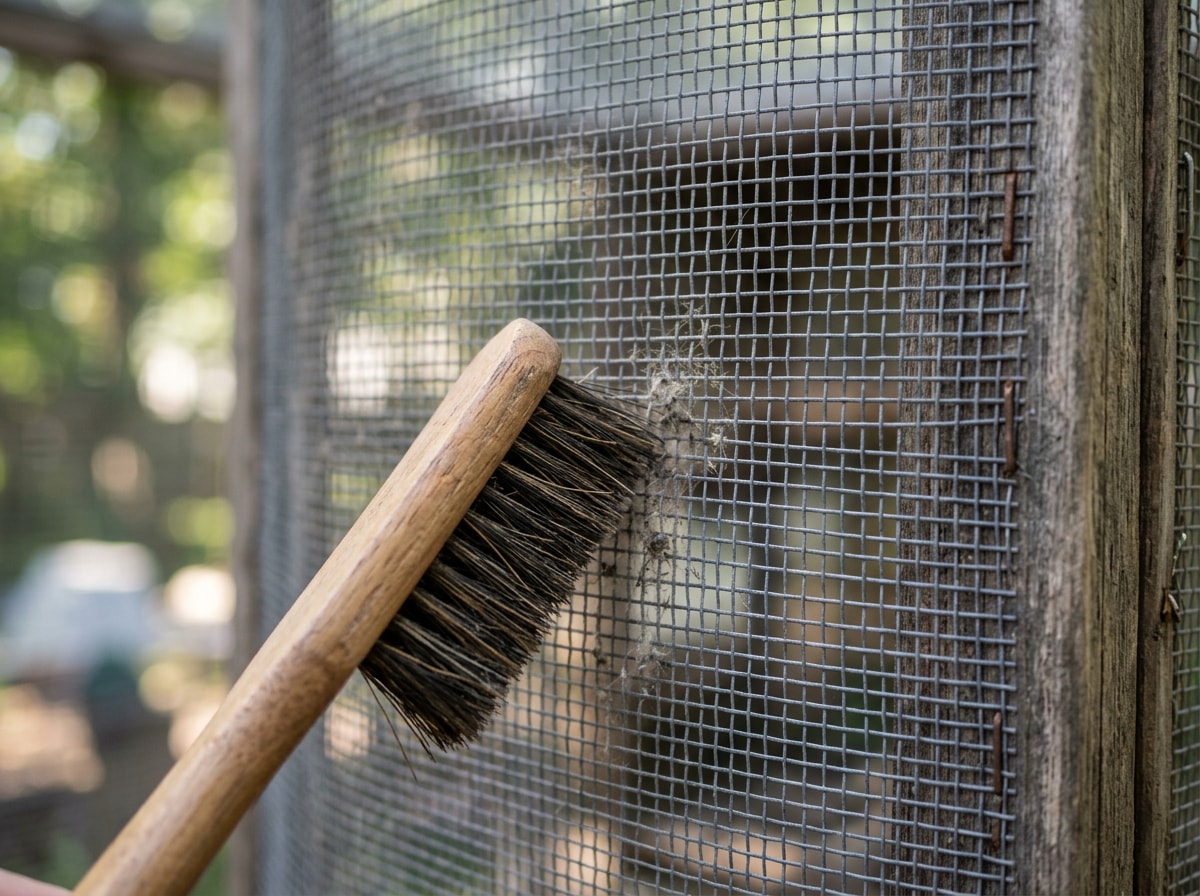
Clean mesh with a soft brush and mild soap rather than a pressure washer, which can stretch or tear fiberglass screen. Check door closers and hinges each season since humidity swings affect how wood and vinyl frames seat.
Working With a Local Contractor
A screen room touches framing, roofing, and sometimes electrical work, which is why it pays to hire a licensed general contractor rather than a screen-only installer when your project involves structural changes. Stessa Construction handles the full scope, from home additions to general carpentry, so permit filing, inspections, and finish work all run through one crew instead of three separate vendors.
Browse our project gallery to see completed exterior work in the area, or visit the Bradley County service area page for coverage details. For homeowners weighing a screen room against a full home addition, our general contractor services page outlines what's included at each stage.
Ready to get real numbers for your property? Get a free estimate and we'll walk the site before you commit to a size or style.
FAQ
What is a screen room enclosure?
A screen room enclosure is a framed or frameless structure fitted with mesh panels over a patio, deck, or existing porch. It keeps insects out while letting air, light, and views in, turning an underused slab into usable living space for most of the year.
How much does a screen room enclosure cost in Bradley County, TN?
Cost depends on size, frame material, and whether you're screening an existing covered porch or building new. Screening an existing structure is the cheapest path; a full ground-up enclosure with new roofing costs more, and a three- or four-season conversion costs the most. Get a site visit for an accurate number rather than relying on national averages.
Do I need a permit to enclose a porch in Bradley County?
In most cases, yes. Bradley County requires a building permit for any construction or alteration valued over $2,000, and screen rooms with new framing or electrical work typically exceed that threshold. Permits are purchased through the county's Planning & Inspections Office in Cleveland.
How long does installation take?
Screening an existing covered porch usually takes a few days. A ground-up enclosure with new footings and a roof takes longer, depending on permit approval timelines and weather.
Can a screen room be upgraded to a sunroom later?
Yes, many framed screen rooms can be converted to a three- or four-season room by adding insulated glass or vinyl panels. That upgrade usually requires a new or amended permit, especially if you add heating or cooling.
What's the difference between a screened porch and a sunroom?
A screened porch uses mesh panels and stays at outdoor temperature. A sunroom (three- or four-season room) uses glass or vinyl panels and can include insulation and climate control, making it usable in colder months.
Should I hire a screen specialist or a general contractor?
If the project only involves re-screening an existing frame, a screen specialist can handle it. If it involves new framing, a roof tie-in, or electrical work, a licensed general contractor manages permitting, inspections, and the full scope under one roof.