A general contractor can manage, schedule, and inspect electrical trades on a Hamilton County job site, but can a general contractor do electrical work themselves once that scope crosses $25,000? No, not without the matching electrical license. The line between "coordinating the trades" and "pulling the permit" is exactly where most Chattanooga-area projects run into trouble, so here's where that line actually sits.
Visit STESSA Construction, LLC to see our services and request a free estimate.
Quick Answer: What a GC Can and Can't Do
A Tennessee contractor's license from the Tennessee Board for Licensing Contractors (TBLC) covers general building and project oversight, not hands-on licensed electrical labor past a set dollar threshold. The Board's definition of "contracting" is broader than most homeowners expect.
A contractor's license from the Tennessee Board for Licensing Contractors is required before contracting, and the Board defines contracting to include bidding, offering to engage, or negotiating a price . That means a GC can't even quote the electrical portion of a job past the threshold without the right credential in hand, let alone wire it.
One detail most guides skip: general contractor company licensure is not required on the county level in Hamilton County, and the county does not have its own registration requirement for general contractors . The state license and the electrical license are the two credentials that actually matter here, not a separate "Hamilton County GC license." For a full rundown of how we scope and staff general contracting work locally, visit our general contractor services page.
The $25,000 Rule and Who It Actually Catches
The trigger isn't labor cost alone. The trigger is a project of $25,000 or more, counting materials, equipment, and labor, when you act as a prime contractor, as certain subcontractors, or as a construction manager or consultant .
Electrical work gets its own carve-out within that rule. Electrical, mechanical, plumbing, HVAC, and roofing subcontractors need a license when contracting directly with a contractor rather than the owner, and their portion of the project is $25,000 or more .
In plain terms: a GC can hire and supervise a licensed electrician and still run the overall job. What a GC cannot legally do is personally bid or perform the electrical scope once it crosses $25,000 without holding a matching electrical license.
Here's how that plays out on two realistic Hamilton County jobs:
| Scenario | Estimated Value | Who Can Legally Perform It |
|---|---|---|
| Panel upgrade on a single-family home | $8,000–$15,000 | A Chattanooga-licensed electrician, or a GC's crew only if a local electrical license is held and the work is properly permitted |
| Whole-home rewire or major addition | $30,000+ | Requires a Tennessee Electrical Contractor (CE) license. A general contractor's license alone does not cover this |
Why Hamilton County Plays by Different Rules
Most of Tennessee funnels electrical licensing below $25,000 through a single state permit called the Limited Licensed Electrician (LLE). Hamilton County isn't one of those places.
The Limited Licensed Electrician (LLE) license is a personal license for electrical jobs under $25,000, and it takes no experience and one exam , but that only matters where the state actually issues the permits. The LLE isn't accepted in the cities and counties on the state's exempt list, including all of Hamilton County (Chattanooga), because those places run their own permits, and some have their own electrician licenses .
So a GC working in, say, Bradley County might lean on a subcontractor's LLE for a sub-$25,000 electrical scope. Try that in Hamilton County and the local codes office will reject it. Instead, electricians working under $25,000 here need one of Chattanooga's own local electrical licenses, issued separately from the state system.
Tennessee Electrical License Types, Explained for Hamilton County
Three different credentials can authorize electrical work in and around Chattanooga, and they don't overlap the way most people assume.
Electrical Contractor (CE) License
For projects at $25,000 or more per project, a state Electrical Contractor (CE) license from the Tennessee Board for Licensing Contractors is required, regardless of which county you're working in, and the CE license is accepted statewide . This is the credential a GC would need personally, or would need a licensed subcontractor to hold, once a job's electrical scope reaches that dollar mark.
City of Chattanooga Class I and Class II Licenses
Below $25,000 inside Hamilton County, the city's own license classes take over. A class I electrical contractor's license entitles the holder to engage in the business of, and to secure permits for, the installation, alteration and repair of any electrical wiring, devices, appliances or equipment , commercial or residential. A class II residential electrical contractor's license only covers installation, alteration and repair of electrical wiring, devices, appliances, or equipment in one- and two-family residential dwellings .
The City of Chattanooga Class 1 Electrical License is required to pull a commercial electrical permit, while a Class 1 or Class 2 license is required to pull a residential electrical permit .
| License | Scope | Where It's Accepted |
|---|---|---|
| LLE (state) | Electrical jobs under $25,000 | Statewide, except Hamilton, Davidson, Knox, Shelby, and a handful of other exempt counties |
| Chattanooga Class II | Residential wiring, one- and two-family dwellings | City of Chattanooga / Hamilton County only |
| Chattanooga Class I | Residential and commercial wiring | City of Chattanooga / Hamilton County only |
| CE (state) | Any project $25,000 and up | Statewide, including Hamilton County |
A general contractor taking on a Hamilton County project with electrical scope has two realistic paths: hire a licensed local electrician to handle that portion outright, or have the company's own qualifying agent hold the matching CE or local license. Trying to self-perform electrical work without either in place risks a licensing violation and a failed inspection. Browse home renovation projects where this kind of trade coordination comes up constantly.
What Electrical Code Applies in Hamilton County?
The National Electrical Code (NEC), 2017 edition, published by the NFPA, applies statewide through the Tennessee State Fire Marshal's Office, with a handful of Tennessee-specific amendments. Jurisdictions with their own certified codes office, Hamilton County included, can enforce the same edition or a stricter local amendment, but not anything weaker than the state floor.
Why this matters for a GC: inspectors sign off against the adopted NEC edition, not against whatever the general contractor's crew assumes is standard. An unlicensed installer, GC or otherwise, puts that final inspection at risk.
Permits You Need Before Electrical Work Starts
Licensing is half the equation. Permits are the second gate, and Hamilton County and the City of Chattanooga run separate permit desks.
Hamilton County Building Inspection Department
A building permit is required for any new, alteration, addition or repair to a structure in the unincorporated county, and electrical work gets its own standalone permit through the Hamilton County Building Inspection Department.
City of Chattanooga Trade Permits
Inside city limits, electrical permitting runs through a different office entirely. Applications go through the Open Gov Portal, and contractors log in using their credentials or sign up for a free account . You can start that process through the city's electrical permit application.
That permit requirement covers:
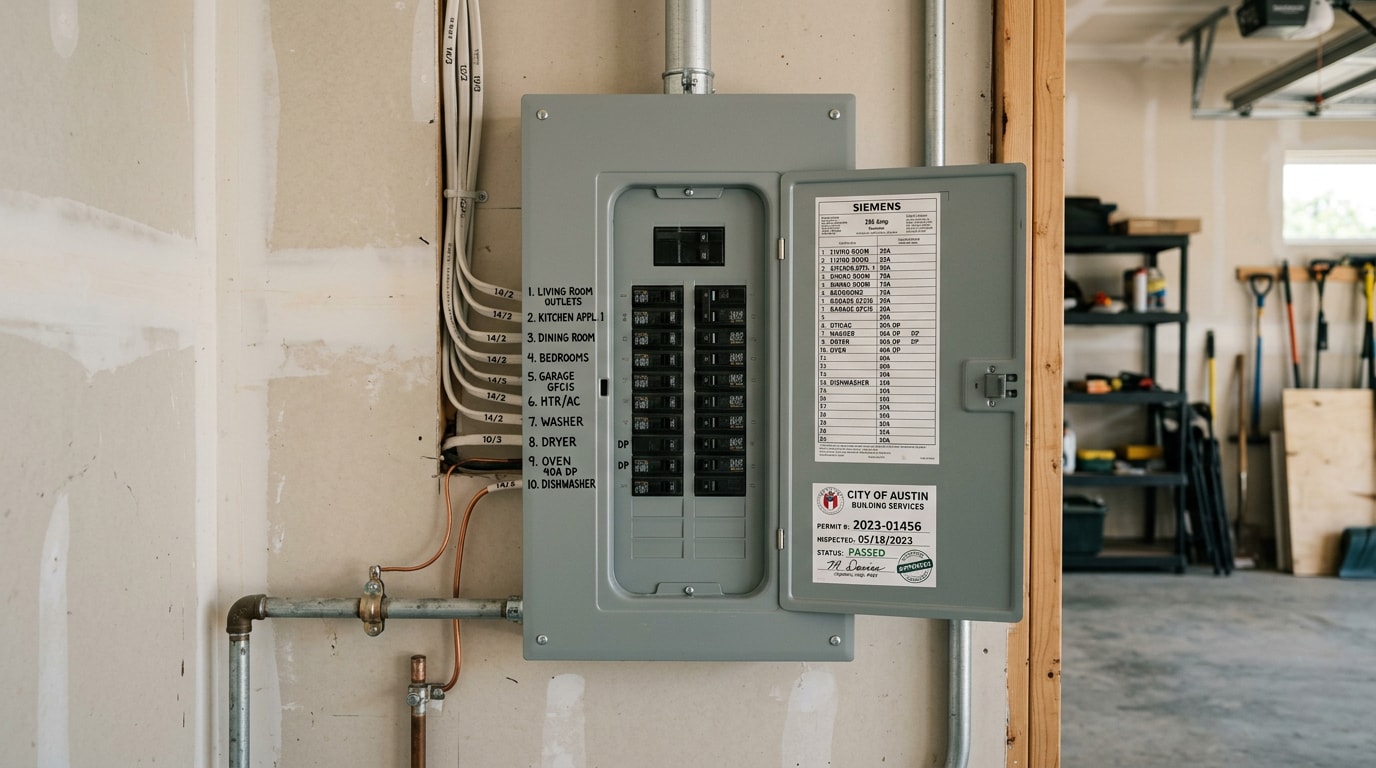
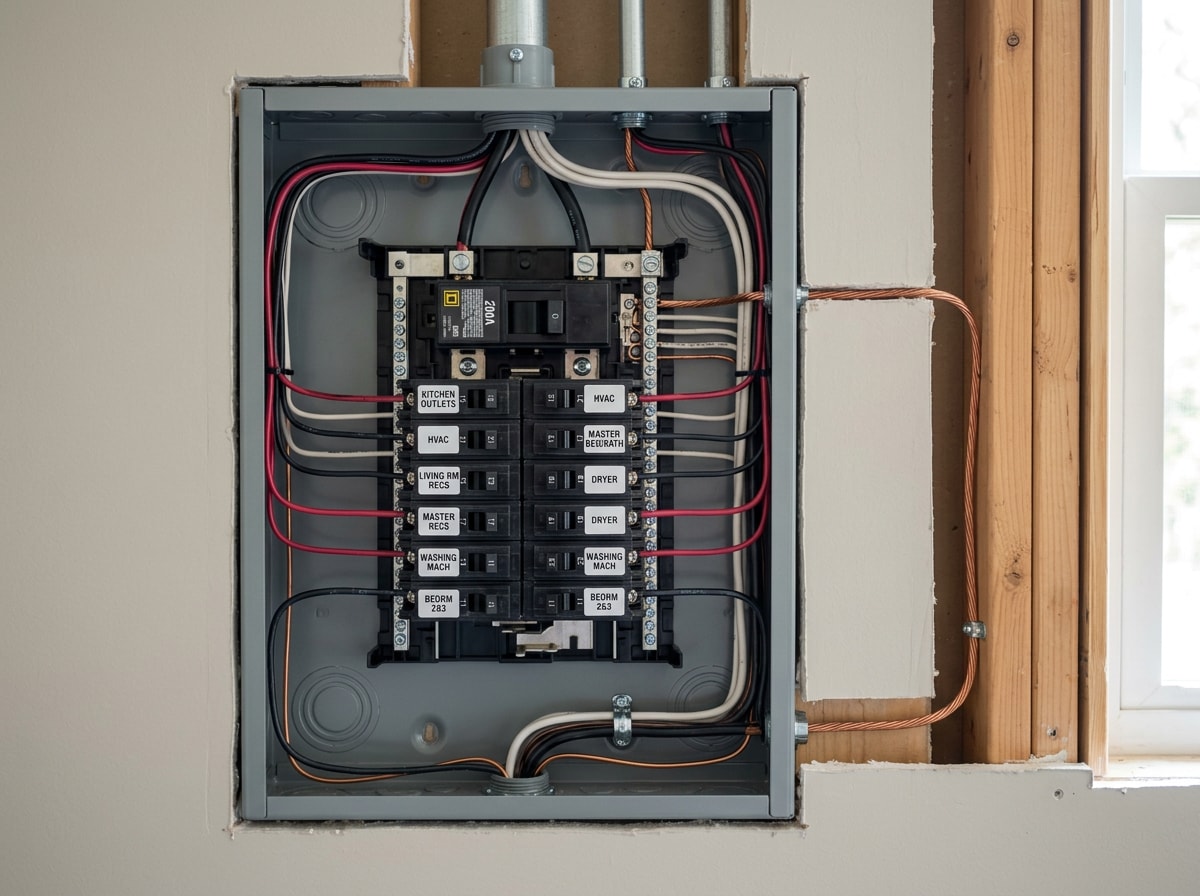
- Service upgrades and panel replacements
- New circuits and most rewiring work
- Solar PV installations
- Low-voltage and structured cabling, which uses its own separate low-voltage permit
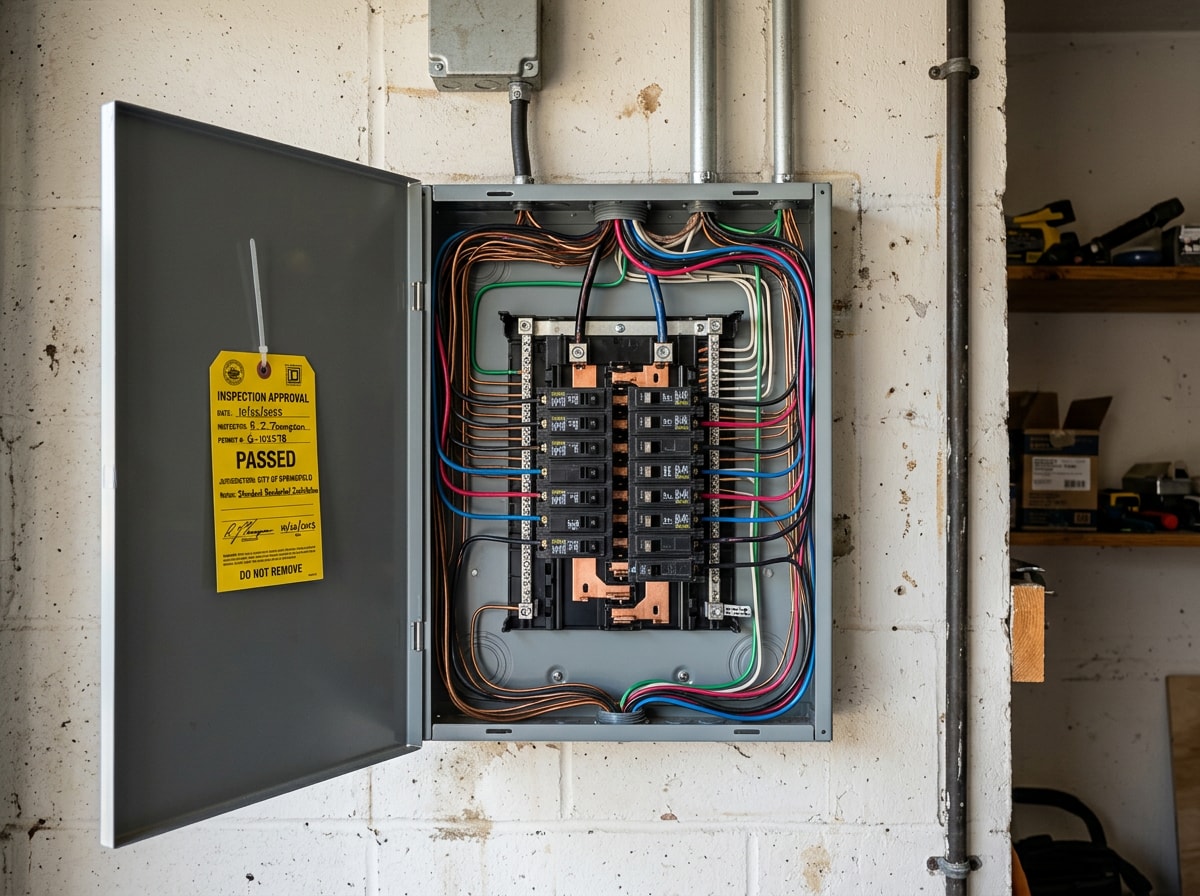
The person pulling that permit has to hold the credential, not just the general contractor overseeing the job.
When Should a GC Hand Off the Electrical Scope?
On the remodels and additions we manage across the Chattanooga area, we bring in a licensed electrical contractor the moment a scope touches a panel, a new circuit, or anything feeding a structural addition, well before it gets anywhere near $25,000. Waiting until the dollar threshold forces the issue almost always costs more in rework and inspection delays than planning for it up front.
If you're weighing a kitchen remodel, home addition, or full renovation in Hamilton County, the smartest move is coordinating the GC's schedule and the electrician's license before either one breaks ground. See how we've handled that split on past jobs in our projects portfolio, and check service coverage for Hamilton County if you're planning something nearby. If your project involves converting existing space, our garage conversion ADU guide for Hamilton County covers how electrical scope factors into that permitting path specifically.
Ready to scope a project the right way the first time? Get a free estimate and we'll walk through the licensing and permit steps with you before any work starts.
FAQ
Can a general contractor legally do electrical work in Hamilton County, TN?
Only below the point where licensing kicks in, and even then, Hamilton County doesn't accept the state's small-job electrical permit. Once a project's electrical scope hits $25,000, a general contractor needs a Tennessee CE license or a licensed electrical subcontractor to perform that portion.
What is Tennessee's $25,000 rule?
$25,000 is the main threshold, counting materials, equipment, and labor, and it applies to primes, construction managers, and consultants alike . Below that number, smaller jurisdictions have their own local rules; above it, a state contractor or electrical license is required everywhere in Tennessee.
Does Hamilton County require its own general contractor license?
No. Hamilton County does not have a registration requirement for general contractors, though a Tennessee Contractor's License may be required to apply for a permit . Electrical work is the exception, since the county runs its own local electrical licensing separate from the state.
Does Tennessee require an electrical license for small jobs?
Yes, but which license depends on where the job is. Statewide credentials include the Limited Licensed Electrician under $25,000 and the Electrical Contractor at $25,000 and above , but Hamilton County rejects the LLE and requires its own city-issued Class I or Class II electrical license instead.
Can you do electrical work without a license in Tennessee?
In limited cases. Homeowners can perform electrical work on their own primary residence as long as they pull the required permits and pass inspection, and apprentices can work under direct supervision of a licensed electrician while they accumulate hours. Anyone else doing paid electrical work on someone else's property needs the appropriate license.
How long does it take to become a licensed electrician in Tennessee?
It depends on which license. The LLE requires no experience and one exam, so a motivated applicant can test and apply within weeks. The CE license is different: the Board prefers 3 years of experience from the qualifying agent before approving a company's electrical contractor credential, plus passing both a trade exam and a Business and Law exam.