Residential developers Chattanooga, TN homeowners hire today are busier than usual, because resale inventory barely lasts a week before it's under contract. That scarcity is pushing more buyers toward new construction, where you pick the lot, the layout, and the budget instead of fighting a bidding war. This guide walks through what to vet, what it actually costs, and how long it takes, before you sign anything.
What a Residential Developer Actually Does (vs. a Builder)
The terms get used interchangeably, but they're not identical. A developer typically buys or options raw land, handles zoning and infrastructure approvals, and plats it into buildable lots, sometimes building the homes themselves and sometimes selling finished lots to other builders. A home builder constructs the house itself, whether that's inside a developer's planned community or on a lot you already own.
Many Chattanooga-area firms do both, acting as the developer for a subdivision and the builder for the homes inside it. If you already own land, you mostly care about the builder side of that equation. If you're still shopping for a lot or a planned community, the developer side matters just as much.
Why More Chattanooga Residents Are Choosing to Build New
Hamilton County isn't just growing on paper. The county grew by 5,000 residents between 2023 and 2024 alone , and the 1.3% annual increase was primarily driven by people moving from other states . That kind of in-migration keeps pressure on an already tight resale market, which is exactly why understanding the build process matters before you ever put money down.
You can check current figures yourself on the Census Bureau's Hamilton County data page. For local context on growth and permitting in the areas we build most, see our Hamilton County, TN service area page.
Step 1: Finding and Evaluating a Lot
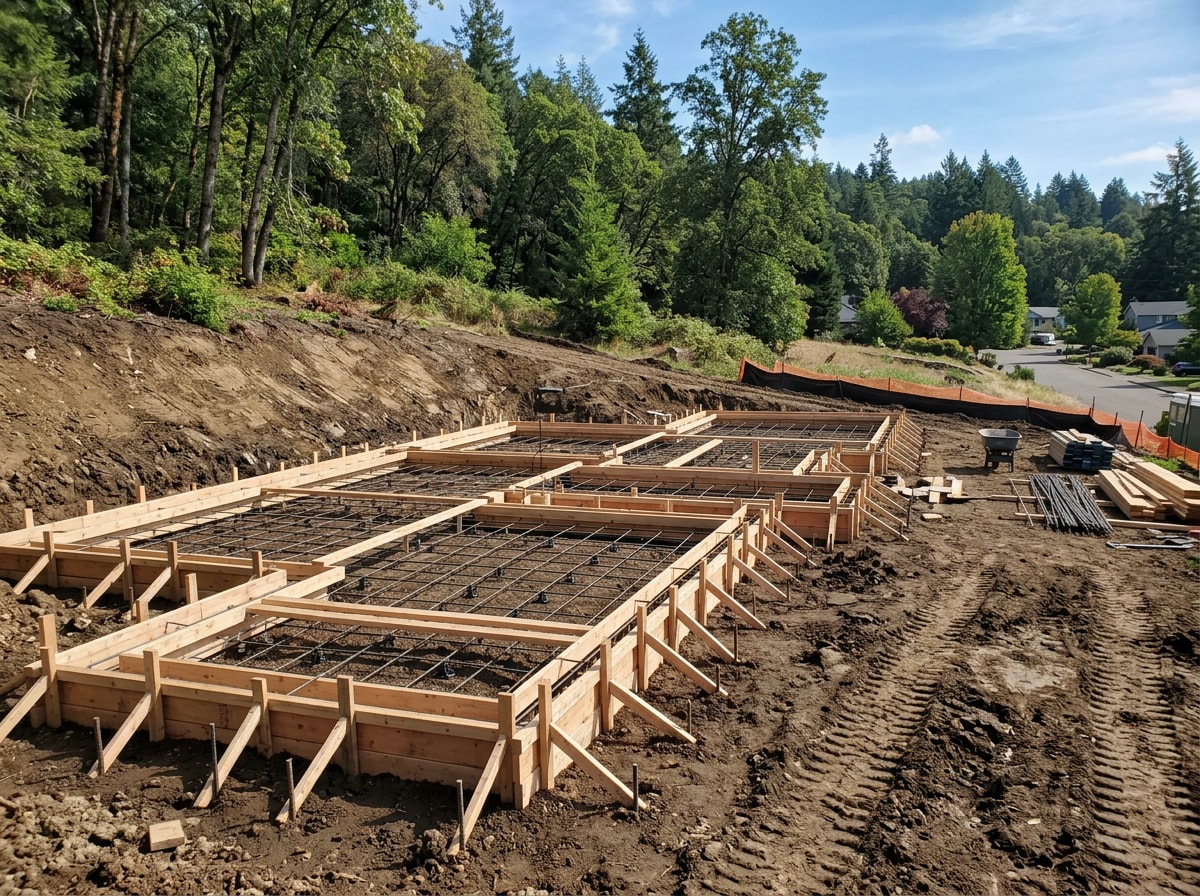
Lot selection is the single most consequential decision in the build process. Most first-time buyers rank it below floor plans and finishes, which is backwards.
Walk the land yourself, or hire someone who can, before putting money down on any buildable lot. Here's what to check:
- Grade and slope. Steep grades can add thousands to excavation costs. Our site work and excavation crews see this constantly on hillside lots around Chattanooga and Hixson.
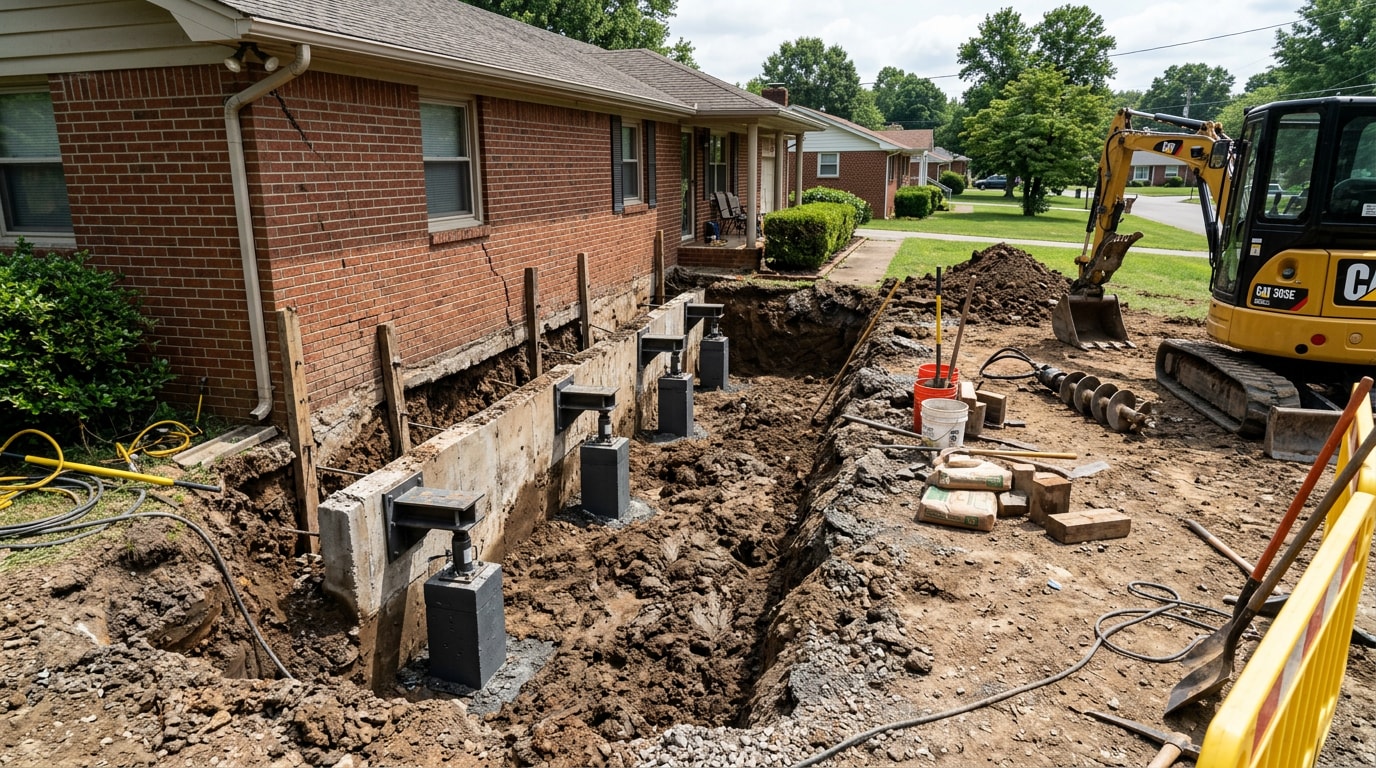
- Soil and foundation conditions. Poor or expansive soil complicates footings. A proper pads and foundations assessment catches this before you close.
- Tree cover and clearing scope. Heavy wooded lots need land clearing priced before the lot price starts to look like a bargain.
- Flood zone status. This affects insurance and can limit what you're allowed to build at all.
- Utility access. No nearby water, sewer, or power connection turns a cheap parcel expensive fast. Rural lots without municipal sewer need a septic system installation evaluated separately.
- Easements and retaining needs. Hillside parcels around Soddy Daisy and Ooltewah often need retaining wall construction worked into the budget from day one, not added as a change order.
Skipping this step is one of the most common regrets buyers report after the fact.
Step 2: Understanding Local Permitting and Zoning
Permitting in Chattanooga follows a fairly predictable sequence, even though the exact timeline depends on project complexity. You submit architectural and engineering plans for department review, wait for approval, pass milestone inspections as construction progresses, and finally receive a certificate of occupancy before moving in.
Licensing requirements are stricter than many buyers expect. The city requires a State of Tennessee Contractors License (BC, BC-A, or BC-A/r, noting BC-A/r is capped at $125,000), proof of workers' comp or an exemption, and a Tennessee business license before a permit is issued. Zoning adds another layer on top of that: minimum lot size, setback distances, maximum building height, and design standards apply at both the county and municipal level, so what's allowed on one parcel may not be allowed a few streets over.
Confirm the current fee schedule and submission requirements directly on the City of Chattanooga's residential building permit page, since fee tables and zoning rules do change.
Step 3: What to Look for in a Chattanooga Builder or Developer
Proper licensing comes first. Tennessee law sets a clear bar here: licensing is mandatory for contractors performing construction work valued at $25,000 or more, including labor and materials. Any Chattanooga-area new build will clear that threshold, so an unlicensed "contractor" offering to build your home is already a red flag.
Beyond licensing and insurance, look for:
- Relevant experience with your home type (a hillside custom build and a slab-on-grade ranch call for different crews).
- A visitable track record of completed, occupied homes, not just renderings.
- References from recent clients, not just testimonials curated for a website.
- Transparent communication about scope, change orders, and scheduling before you sign anything.
A builder who also runs its own general contractor services, from framing through final inspection, tends to manage fewer handoffs and fewer finger-pointing moments when something needs adjusting mid-project.
How to Verify a Builder's License and Reputation
Verifying a builder takes more than a quick search, though that's a reasonable start. Tennessee's Board for Licensing Contractors runs a public Verify Public Search tool where you can look up a license by individual or business, check status, view expiration dates, and see any public disciplinary actions. Run every bid through the Tennessee Board for Licensing Contractors before signing a contract. It takes about two minutes and catches a surprising number of lapsed or unlicensed operators.
Photos on a website can be curated carefully. A walk-through of an actual finished home, ideally similar to what you want to build, tells you more. You can browse completed work, not staged renderings, on our projects page.
What Services Do Local Residential Developers Offer
Services typically span the full build lifecycle, not just construction itself: custom home design, energy-efficient building methods, interior selections, outdoor living spaces, and site work that goes well beyond the house itself. Our own custom home construction work pairs directly with in-house excavating and masonry crews, which matters most on the hillside and rural lots common around Chattanooga, Cleveland, and Hixson.
One model worth understanding specifically: design-build. A single firm manages both design and construction through one in-house team, one point of contact, one schedule, and fewer handoffs between a separate architect and construction crew. If you're weighing a smaller project instead, like converting existing space, our garage conversion ADU guide for Hamilton County covers permitting rules for that route too.
Communication and Customer Service Red Flags
Delays happen on almost every project, from weather to material backorders to inspection scheduling. How a builder communicates about delays matters more than the fact that they occurred.
Before signing anything, ask directly:
- Will I get written updates without having to chase them down?
- How are cost changes documented and approved?
- Who is my single point of contact if something goes wrong?
If a sales rep can't answer basic scheduling questions clearly during the pitch, treat that as information, not an oversight.
Ready to compare a straight answer against the vague ones? Get a free estimate and ask these same questions directly.
What It Costs to Build a Home in Chattanooga, TN (2026)
Nationally, the average construction cost of a typical single-family home in NAHB's 2024 survey was $428,215, or about $162 per square foot, the highest in the history of that survey series. Chattanooga-area costs track close to that national benchmark but shift with lot conditions, finish level, and how much customization is involved. Treat the table below as a local market estimate, not a locked-in quote, until a builder has actually seen your lot and plans.
| Budget Tier | Approx. Cost per Sq. Ft. (2026 estimate) | What's Included |
|---|---|---|
| Basic-finish | $110–$150 | Standard finishes, builder-grade fixtures, simple floor plans |
| Mid-range | $150–$200 | Upgraded finishes, more layout flexibility, select custom features |
| Fully custom / high-end | $200–$250+ | Premium materials, full custom design, higher-end systems |
You can see the full national cost breakdown, including site work, permits, and foundation costs, on NAHB's Cost of Constructing a Home report.
What Is the Typical Timeline for Building a Home
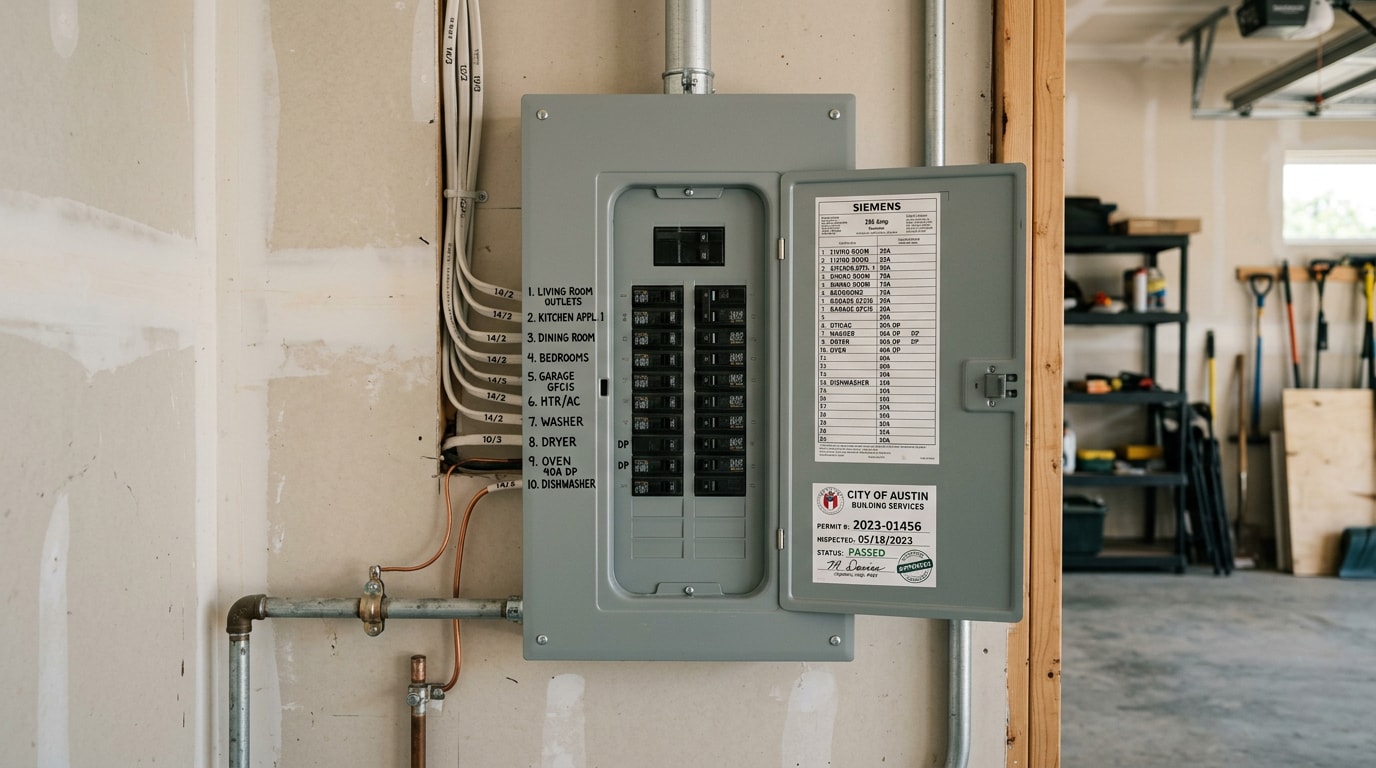
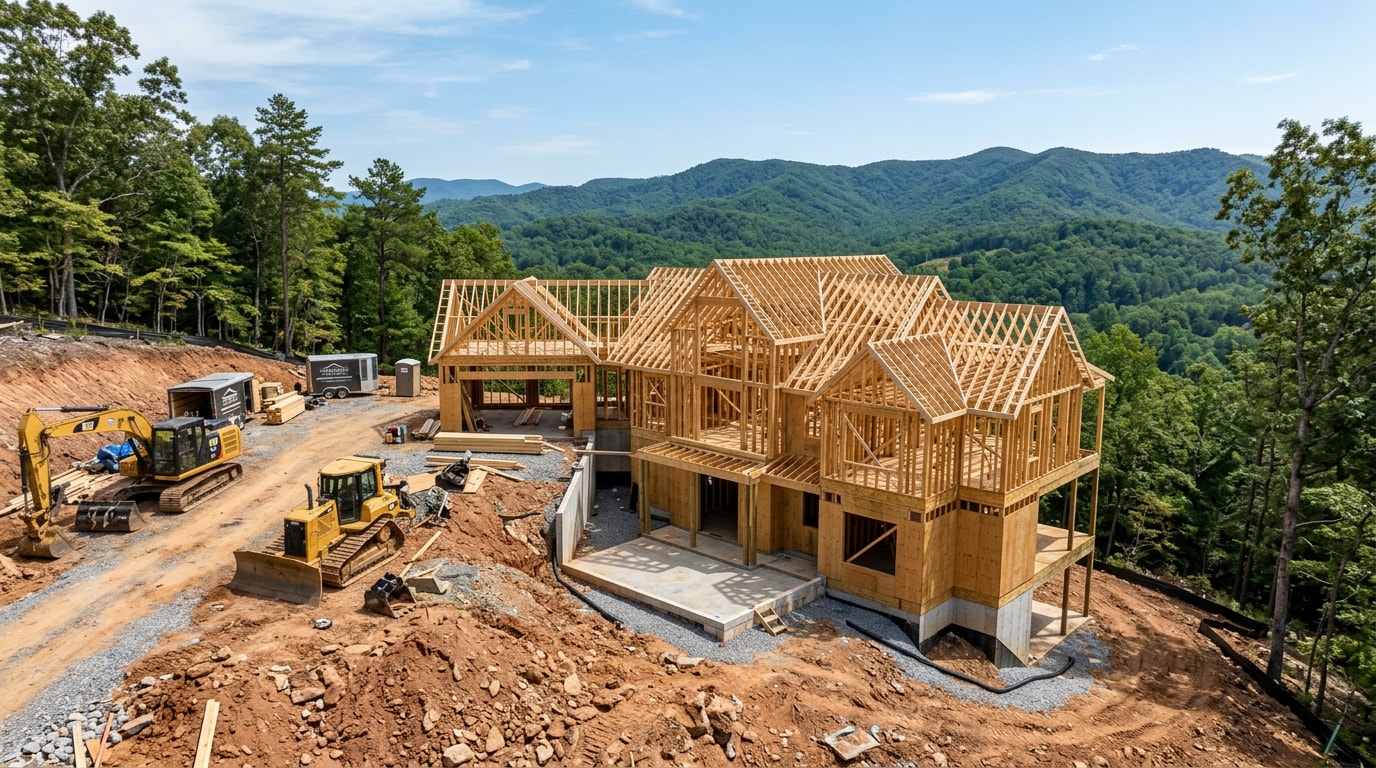
Most new builds move through four broad phases: pre-construction (design, permitting, site prep), framing, rough-ins (plumbing, electrical, HVAC), and finishing (insulation, drywall, flooring, fixtures). Each phase depends on the one before it, which is why early delays tend to cascade later in the schedule.
Based on local builder benchmarks, a straightforward single-family home in this market is often completed in roughly seven to twelve months from design through move-in. Hillside builds, larger square footage, or heavy customization commonly run longer. If a builder promises a dramatically shorter timeline without explaining what's different about their process, ask a direct follow-up question before you take the number at face value.
Curious which areas we're actively building in right now? Check our service area pages for Chattanooga, TN, Ooltewah, TN, and Cleveland, TN.
Our Experience Building in Hamilton County
At Stessa Construction, our crews handle lot grading, excavation, foundation work, and septic systems in-house across Hamilton, Bradley, and Cherokee counties, rather than subcontracting each piece separately. That in-house structure is what keeps a grading surprise on a hillside lot from turning into a costly mid-build change order, since the same team that evaluates the lot is the one that builds the pad.
FAQ
What's the difference between a residential developer and a home builder?
A developer acquires land, secures zoning approval, and plats lots, sometimes building on them and sometimes selling finished lots to other builders. A home builder constructs the house itself. Many Chattanooga firms function as both.
What services do Chattanooga home builders offer?
Most local firms offer custom design, energy-efficient building methods, and interior selection services alongside standard construction, often bundled through a design-build model. See the services section above for specifics by budget tier.
How much does it cost to build a home in Chattanooga?
Cost varies with land, materials, labor, and customization level, but construction alone runs roughly $110–$250 per square foot locally, plus land and permit costs. NAHB's national survey puts the average at about $162 per square foot for 2024.
How long does it take to build a new home in Chattanooga, TN?
Most straightforward single-family builds take seven to twelve months from design through move-in, covering permitting, framing, rough-ins, and finishing. Larger or highly customized homes typically take longer.
How long does it take to get a building permit in Chattanooga, TN?
Simple residential permits can clear in a few weeks, while projects involving zoning variances take longer. A builder who already knows the city's review process can help you avoid avoidable delays. See the permitting section above for the full sequence.
Do I need a licensed contractor for a home addition or renovation, not just new construction?
Yes, if the project value hits $25,000 or more, Tennessee requires a licensed contractor regardless of whether it's new construction, a home addition, or a home renovation.
Still weighing a specific lot or budget? Contact our team to talk through the details before you buy.