Green home builders in Chattanooga, TN fall into three distinct camps: production builders with efficiency baked into every spec home, a nonprofit running live net-zero demonstration projects, and custom builders who tailor sustainable construction to a single lot. Each approach has different trade-offs on price, timeline, and how much control you get over materials. This guide breaks down who's actually building green locally, what the certifications mean, and what to check before you commit to a lot or a builder.
Written by the Stessa Construction team, licensed general contractors and excavators serving Hamilton County, Bradley County, and Cherokee County, AL. Questions about a lot or a green build in progress? Contact us directly.
Who's Actually Building Green in Chattanooga Right Now
Chattanooga's green building scene splits roughly into three camps, and knowing which one you're talking to changes what questions you should ask.
| Builder Type | Typical Scale | Best For |
|---|---|---|
| Production green builder | Multi-home communities | Buyers who want efficiency built-in at a set price point |
| Nonprofit demonstration project | One or a handful of pilot homes | Buyers curious about emerging net-zero techniques |
| Custom green builder | Single-lot, bespoke builds | Buyers with a specific site or design vision |
On the production side, Greentech Homes began with founders Paul Teruya and Jim Storey building in the new Jefferson Heights Park neighborhood in Chattanooga's Southside in 2008 . What started as a single infill project has since grown into a citywide movement, and the builder now works across Ooltewah, Hixson, East Brainerd, North Chattanooga, Southside, and Red Bank . That geographic spread matters if you're comparing builders by area rather than by name alone.
What separates a true eco-friendly home builder from one using the term loosely usually comes down to documentation. Builders who are serious about performance track energy modeling, third-party verification, and material sourcing, not just a line in their marketing copy. On our own site-work jobs, we've noticed the builders who ask for soil and drainage data before finalizing a floor plan are almost always the ones who deliver on their efficiency numbers. For a closer look at who's building in a specific part of the metro, see our coverage of Chattanooga, TN and the surrounding Hamilton County, TN area.
What "Green" Actually Means: LEED, ENERGY STAR, and the HERS Index
Three certification systems come up constantly in builder marketing, and they measure different things.
LEED is a third-party rating system from the U.S. Green Building Council that scores a home's energy use, water efficiency, materials, and indoor air quality against a national standard. Homes earn points across categories and land in a certification tier based on the total. The U.S. Green Building Council publishes the current rating system criteria if you want to check a specific claim against the source.
ENERGY STAR certification is simpler to verify. A new home earning the ENERGY STAR label has undergone inspections, testing, and verification to meet EPA requirements, and certified homes are at least 10% more energy efficient than code-built homes, achieving a 20% improvement on average . Full program details are on ENERGY STAR's NextGen homes page.
The HERS Index is the number you'll hear most often from builders and raters. A certified HERS Rater assesses a home and assigns a performance score on a scale of 0 to 150, where the lower the score, the more efficient the home is . The standard reference home scores 100, and each one-point difference corresponds to roughly a 1% change in energy consumption, so a home scoring 60 is about 40% more efficient than the reference home . A score of 0 means the home is a Net Zero Energy home, producing as much energy as it consumes, usually through solar . The RESNET HERS Index page has the full methodology if a builder cites a specific score.
If a builder claims LEED or ENERGY STAR status, ask for the scorecard or certificate number, not just the plaque on the wall.
Inside Chattanooga's Net-Zero Case Study: the NextGen Homes Project
The most concrete local proof-of-concept isn't a builder at all. It's a nonprofit.
green|spaces is a nonprofit that works to advance the sustainability of living, working and building in Chattanooga, Tennessee, and the surrounding region
. In 2014, it hosted a competition challenging participants to design a zero-energy, market-rate home, and the winning design was adapted into a 1,700-square-foot home, one of four planned .
The program's performance specs are public and worth knowing even if you're not working with green|spaces directly:
- Energy:
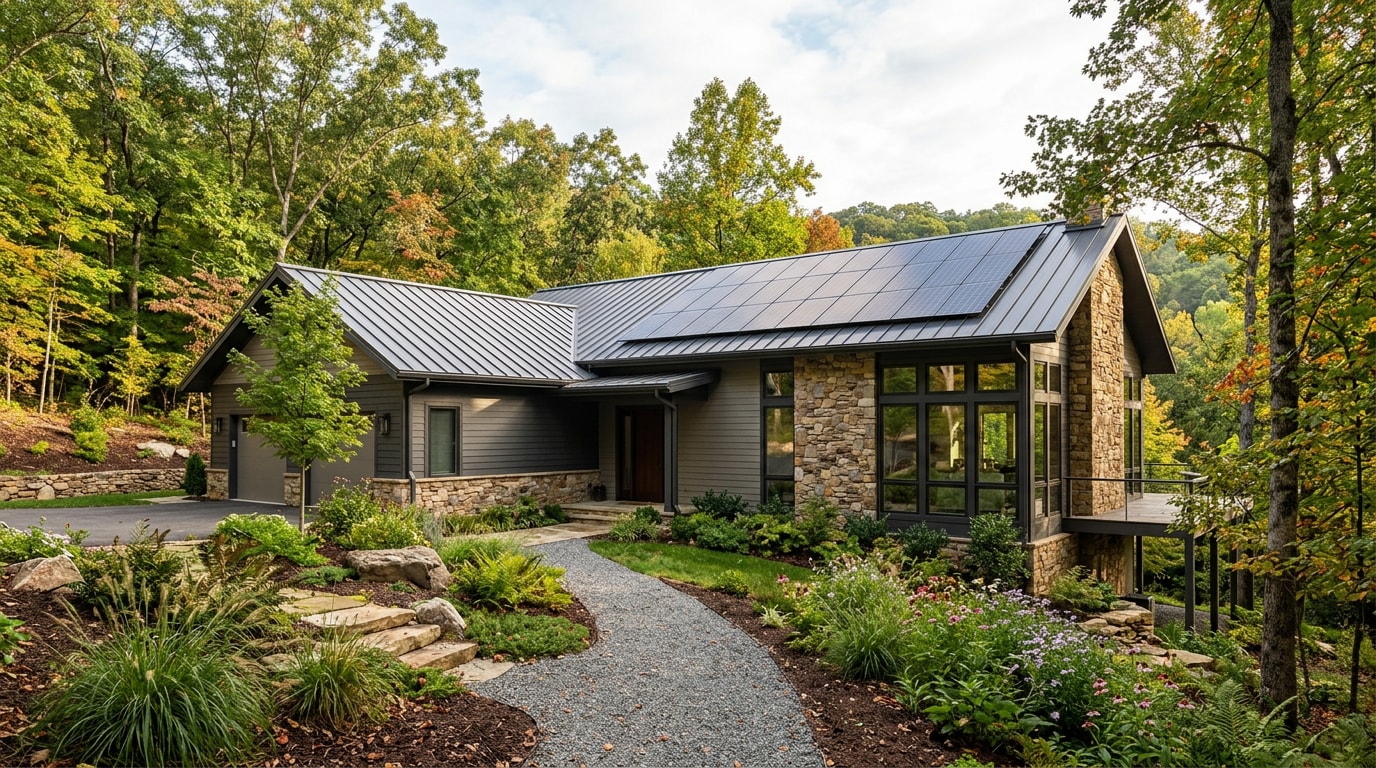
each home was designed to achieve net zero energy, meaning energy consumed on site over a year is less than or equal to energy generated on site, using a 4.75 kW solar photovoltaic array on the roof .
- Verification:
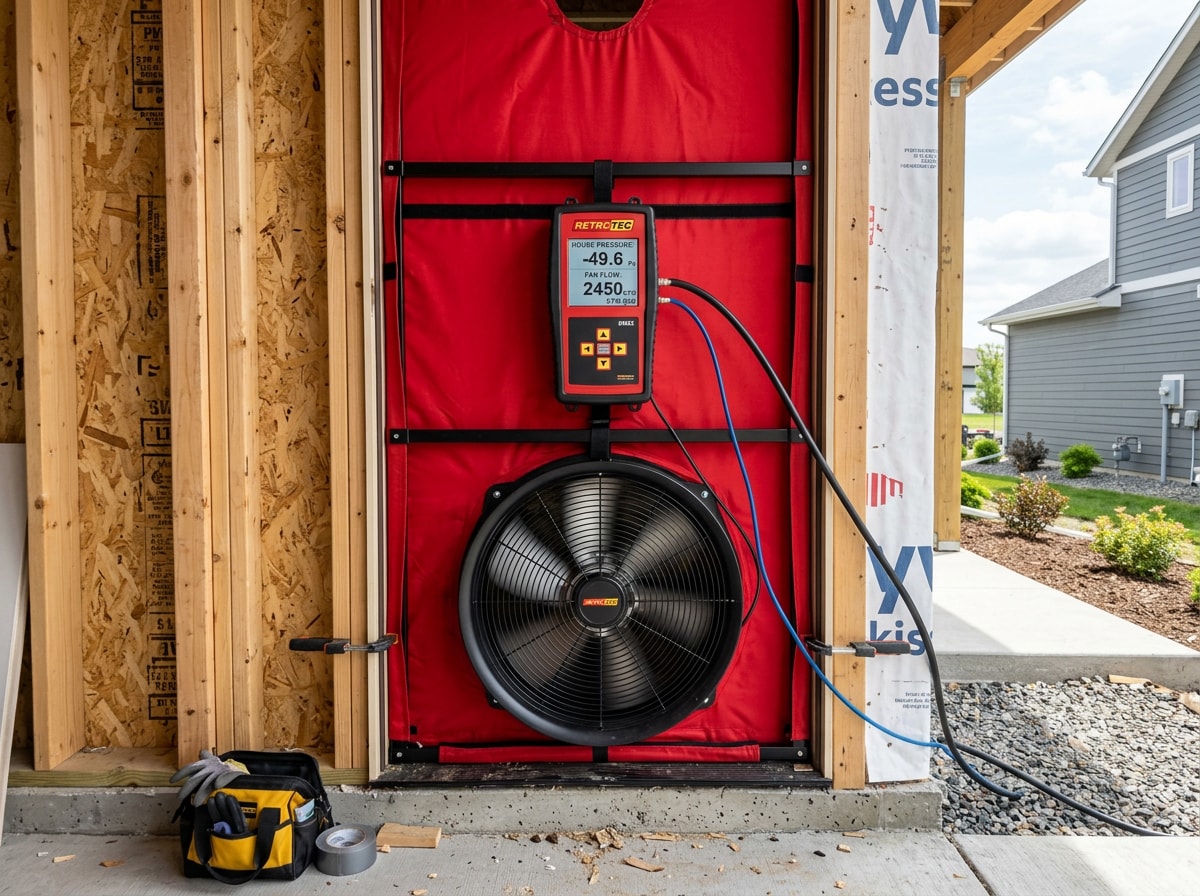
the homes pursued EPB's Smart Build Certification, which tests for energy efficiency, air infiltration, and duct tightness .
- Real-world result:
even without solar panels installed, the monthly energy bill for one of the NextGen homes averages around $45 , according to the nonprofit's executive director.
Site selection shaped the whole program before a wall went up. Choosing infill lots inside existing neighborhoods, rather than undeveloped land further out, cut new infrastructure needs and supported walkability. That same logic now guides how a lot of infill development in the Chattanooga area gets planned, including how a lot gets graded and oriented for passive solar gain before the house itself is designed.
What Green Building Materials and a Green Build Actually Cost
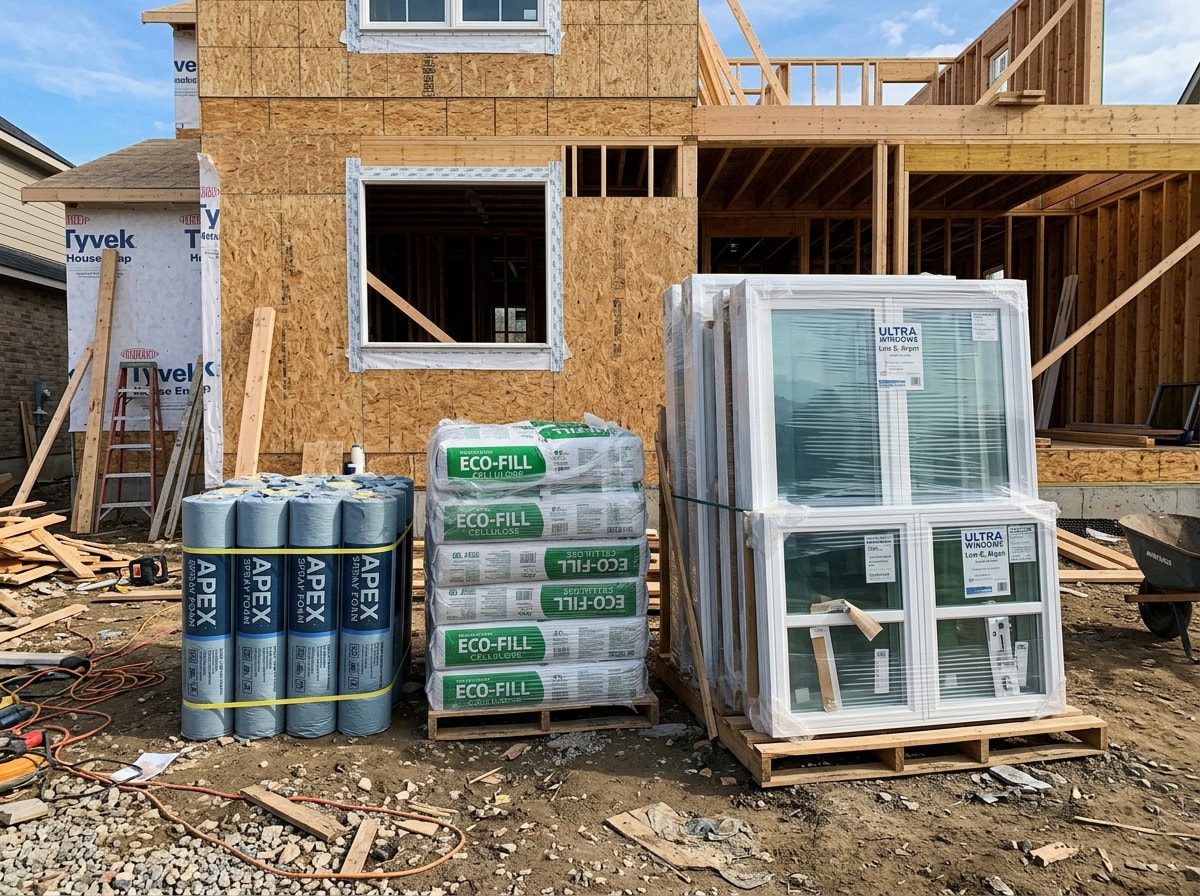
Sustainable materials aren't exotic anymore, and that's good news for your budget. The category generally breaks down into:
- High-performance insulation (spray foam or dense-pack cellulose)
- Energy-efficient, low-E windows
- High-efficiency HVAC and heat pump systems
- Low-VOC paints and finishes
- Engineered wood and recycled-content products to cut embodied carbon
Most of this is available through standard supply chains now, which is part of why efficient specs have become realistic on mid-range custom builds, not just premium ones.
On cost, be skeptical of any single number presented as a Chattanooga-specific figure, since reliable hyperlocal cost data is hard to find. What's verifiable is the national benchmark: for custom, contractor-built homes, the median price was $166 per square foot of floor space in the most recent survey, up slightly from $162 the year before , according to the National Association of Home Builders. That figure varies dramatically by region, design complexity, foundation type, and finish quality , and the Southeast tends to run below the national median. Green or high-performance specs, like upgraded insulation and sealed building envelopes, typically add to that baseline upfront while cutting operating costs over time. You can see the full regional breakdown on NAHB's square-foot price analysis.
The Real Savings: Energy Costs and Resale Value
The financial case for a green-built home centers on lower ongoing costs, not just a lower HERS number for bragging rights. Homes built to current code with verified performance use meaningfully less energy for heating and cooling than older housing stock, and that gap compounds over a typical ownership period.
Specific percentages vary by climate, home size, and local utility rates, so treat any single figure as a rough guide. ENERGY STAR's own data is a useful national benchmark: certified new homes are verified to be more efficient than standard new construction, with savings compounding annually rather than as a one-time rebate. Beyond utility bills, documented efficiency increasingly supports stronger resale positioning, since buyers in a tighter housing market ask about energy costs before they ask about countertops.
Green Neighborhoods and Infill Developments Around Chattanooga
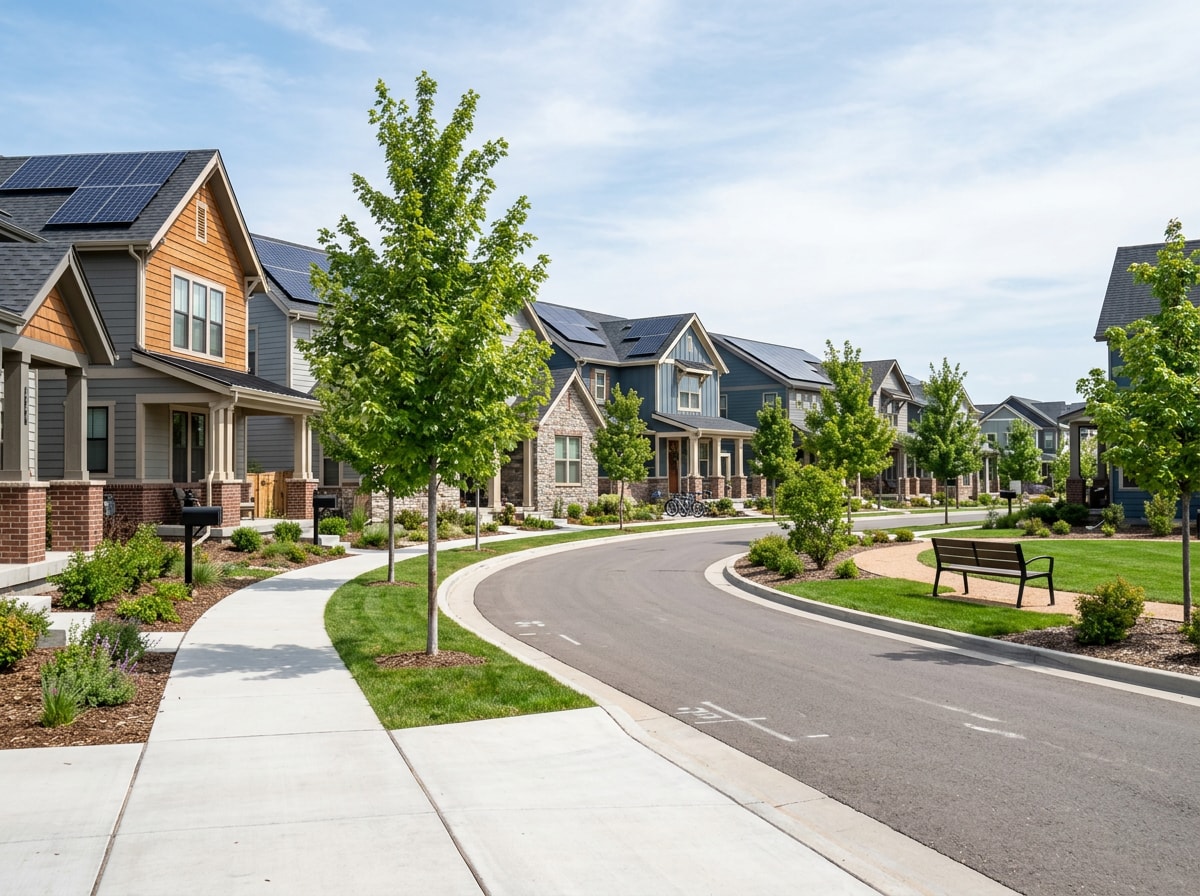
Several newer developments around the metro apply efficiency specs across an entire neighborhood instead of lot by lot. That usually means shared green space, walkable street layouts, and a baseline efficiency standard built into every home rather than offered as a paid upgrade.
Greentech Homes' expansion pattern is a good example of this shift in practice: the builder now works across some of Chattanooga's most established and newer areas, including Ooltewah, Hixson, East Brainerd, North Chattanooga, Southside, and Red Bank . Buyers drawn to these communities tend to want sustainability built in by default, not something they have to negotiate line by line. If you're comparing lots in Ooltewah, TN or Hixson, TN against infill sites closer to downtown, our guide on residential developers in Chattanooga covers what to check on zoning and lot readiness before you commit.
How to Vet a Green Home Builder Before You Sign
Finding the right fit means looking past the floor plan and the sales pitch. Use this short checklist:
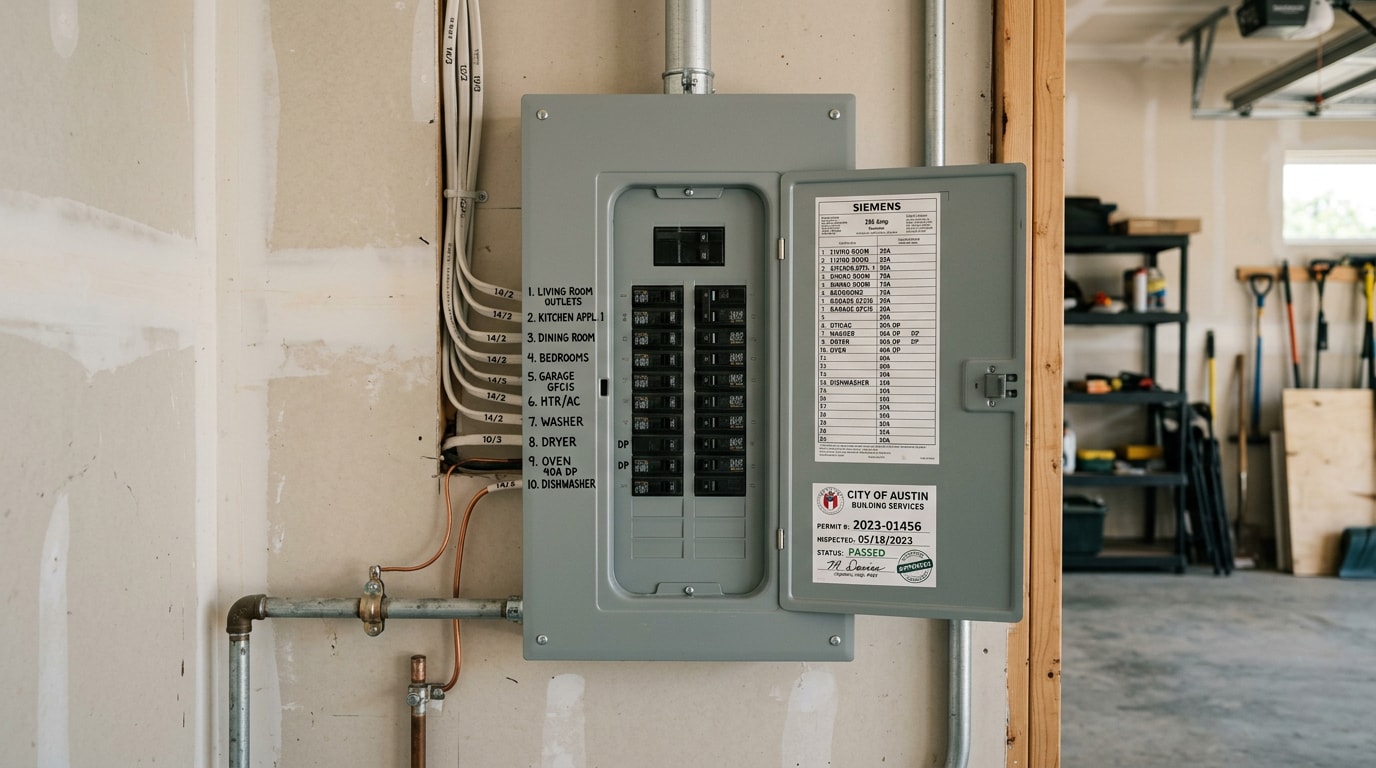
- Ask for documentation, not claims. A legitimate green builder can produce a HERS report, an ENERGY STAR certificate, or a LEED scorecard on request. If they can't, treat "energy-efficient" as a marketing phrase, not a fact.
- Ask to see actual energy bills from past buyers. Vague praise is less useful than a homeowner saying their winter heating bill came in under a stated estimate.
- Check the warranty terms for efficiency systems specifically. A standard new-home warranty usually covers structural elements for several years, systems like plumbing and electrical for a shorter window, and workmanship for the first year or two. Heat pumps, tight building envelopes, and mechanical ventilation often carry separate manufacturer coverage on top of that, so ask who handles service calls when something underperforms.
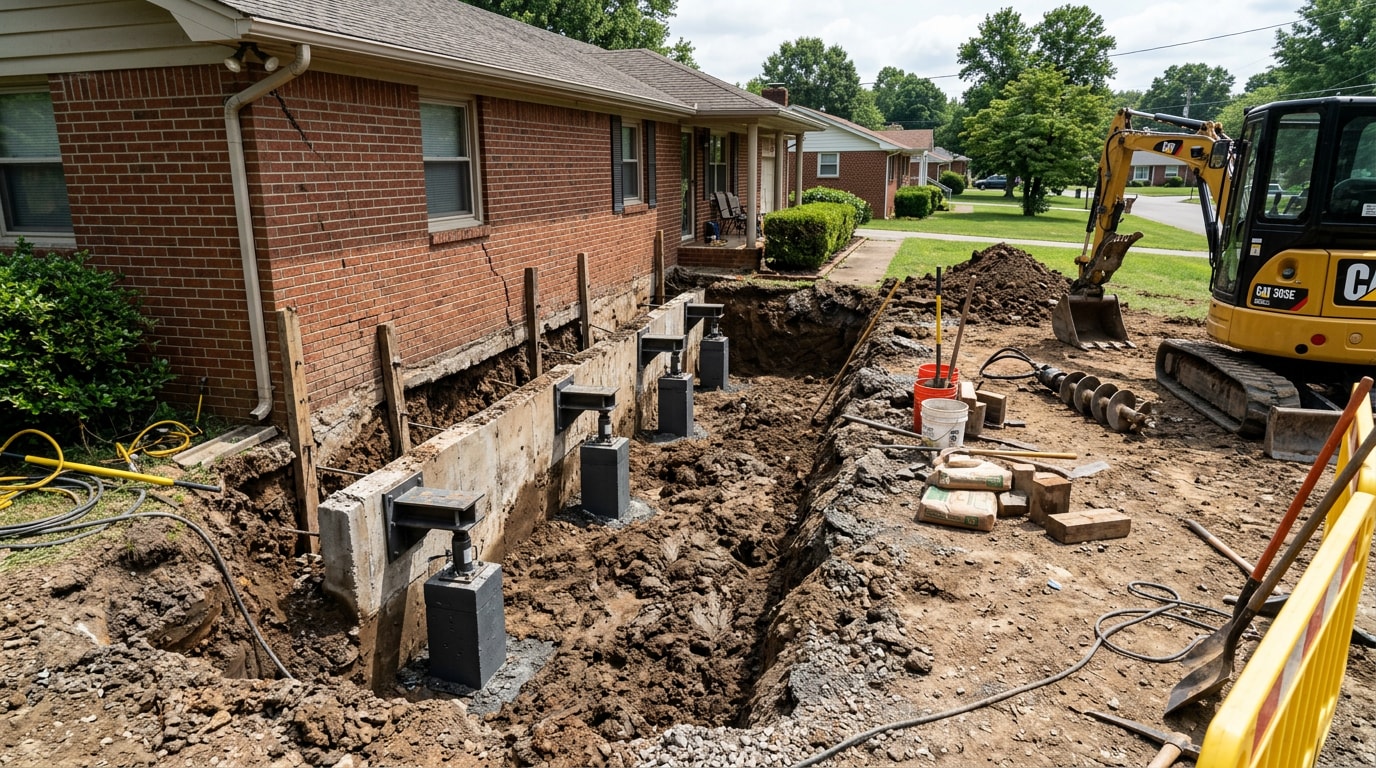
- Confirm who's doing the site work. A home's performance starts at the lot. Poor grading, inadequate drainage, or an undersized septic system can undercut even a well-insulated house. If your builder is subcontracting site preparation or pads and foundations, ask who's accountable for that work holding up.
A sustainable builder worth hiring should answer all four without hesitation.
Site Work, Septic, and Foundations: Why the Lot Matters for a Green Build
Efficiency specs on paper don't mean much if the site underneath the house wasn't prepped correctly. This is where our own work usually intersects with a green build, even when we're not the general contractor on record.
Passive solar orientation, one of the core design principles behind the NextGen Homes program, depends entirely on how the lot is graded and which way the house gets sited before footings go in. We've seen plans redrawn mid-permit because nobody checked drainage patterns against the proposed orientation early enough. Getting site work and excavation right the first time avoids that.
On lots without municipal sewer access, which is common outside Chattanooga's core, septic system design directly affects a home's water efficiency story. A correctly sized septic system design and drain field installation keep a high-performance home from failing on the one system buyers rarely think to ask about. On sloped lots, common in and around Soddy Daisy, TN and the ridges around Hamilton County, slope stabilization and erosion control protect both the structure and the surrounding watershed.
If you're planning a custom green build, renovation, or addition and want the site work and the structure coordinated from day one, our custom home construction and home renovation teams work alongside our excavating and septic crews on the same project. You can see examples of completed work on our projects page, and for a related read on how site grading and foundations get handled on a different type of project, check our guide to civil works contracting in Hixson, TN.
Ready to Compare Builders or Get Your Lot Ready?
Choosing a green builder comes down to a short list of questions: what certifications or performance testing can they document, can they show real energy data from past buyers, and what does the warranty cover for efficiency systems specifically. If you're still at the site-prep stage, or you need foundation, septic, or grading work coordinated with a builder you've already chosen, get a free estimate and we'll walk the lot with you before you sign anything. You can also start from our homepage to see our full range of general contracting and excavating services.
FAQ
What does it cost to build a green home in Chattanooga, TN?
There's no reliable Chattanooga-specific figure published anywhere, so treat local quotes as estimates until you get a line-item bid. Nationally, custom contractor-built homes have a median cost of $166 per square foot , and green specs like upgraded insulation and sealed envelopes typically add to that baseline upfront while lowering utility costs afterward.
Is LEED certification worth it for a custom home?
It depends on your goals. LEED gives you third-party verification and a resale talking point, but it adds documentation time and cost to the build. If your main goal is lower utility bills rather than a certification plaque, a HERS rating and ENERGY STAR verification may get you most of the performance benefit for less process.
What is a good HERS Index score for a new home?
New construction built to current energy codes typically ranges from 15% to almost 50% more efficient than the reference home, putting most new builds between 51 and 85 on the index . A score near or below 55 before solar is considered strong performance; a score of 0 means the home is net zero.
Which Chattanooga-area neighborhoods have the most green-built homes?
Greentech Homes, one of the larger local production builders, currently builds across Ooltewah, Hixson, East Brainerd, North Chattanooga, Southside, and Red Bank
. North Chattanooga and infill Southside lots also host the bulk of LEED and net-zero demonstration homes, including the green|spaces NextGen project.
Who owns Greentech Homes in Chattanooga, TN?
Greentech Homes began with founders Paul Teruya and Jim Storey, who met while launching a cabinetry business before building their first homes in Chattanooga's Jefferson Heights Park in 2008 . Current ownership and leadership details are best confirmed through the builder's own company listings, since this can change over time.
How do I find a qualified green home builder near me?
Ask any builder you're considering for a HERS report or certification number on a past project, not just a marketing claim. Cross-check that against the RESNET or USGBC directories, and ask for a past buyer's actual utility bill before signing anything.