Typed "building companies near me Cherokee County, AL" and landed on a page of thin directory listings instead of real answers? That's because this is a small, rural market, and most results are business listings, not guidance. Below is what actually matters: how to vet a contractor, what Alabama's 2024 licensing update changed, and which projects local building companies handle most around Cherokee County.
How to Find a Reputable Building Company in Cherokee County
Finding names is easy. Finding names you can trust takes a little more legwork, especially in a county where reputations travel fast and word of mouth still beats a five-star review.
Work through these channels in order:
- Ask people you know. Neighbors, coworkers, and local Facebook groups will tell you the truth about delays, pricing surprises, or cleanup habits that a review won't capture.
- Cross-check names against vetted directories that verify licensing and insurance before listing a contractor.
- Check local trade associations. Membership is a soft signal that a company stays current on codes.
- Ask at building-supply stores and lumberyards. Counter staff deal with contractors daily and know who shows up on time and pays their accounts.
If you want a faster starting point, see which building companies already work in your part of the county on our Cherokee County, AL service area page, or browse finished work on our projects page.
Alabama Changed Contractor Licensing Rules: What to Check in 2026
This is the part most directory sites skip, and it's the single biggest thing homeowners get wrong. Alabama splits contractor licensing between two separate boards, and the dollar thresholds that decide which board applies were updated in late 2024.
The Alabama Licensing Board for General Contractors (LBGC) now regulates commercial, industrial, and public-works contractors on projects of $100,000 or more (or $5,000 or more for swimming pools) , following a 2024 law change. That threshold took effect under Act 2024-277 on October 1, 2024 , so any guide still quoting a $50,000 commercial cutoff is out of date.
Residential work is handled separately. The Alabama Home Builders Licensure Board (HBLB) regulates residential home builders on any residential project costing $10,000 or more, or $2,500 or more for roofing . One board doesn't cover the other: a contractor licensed by one board is not automatically licensed by the other .
A few things worth confirming before you ever sign anything:
- Ask for the contractor's license number up front.
Alabama general contractors are required to include their license number on all bids and contracts , so a legitimate company won't hesitate to provide it.
- Verify the license yourself rather than trusting a printed certificate. Commercial and large projects can be checked through the Alabama Licensing Board for General Contractors.
- Residential projects over $10,000 should be checked through the Alabama Home Builders Licensure Board.
- Projects under $10,000 generally don't require a state license, but insurance still matters regardless of size.
Questions to Ask Before You Hire a Local Contractor
Once you've narrowed your list to two or three serious contenders, have a direct conversation. This is where companies that sound good on paper get separated from ones that actually run a tight operation.
Ask about:
- References from similar projects. Request two or three recent ones and actually call them.
- Payment structure. Milestones tied to completed work, not a large sum up front.
- Timeline from permit to completion, and how weather delays are communicated.
- Change order pricing and approval process.
- Who handles warranty claims once the job wraps.
Ready to compare a real quote against what you're hearing elsewhere? Get a free estimate and ask us the same questions above, we'll answer every one of them before you commit.
Common Building Projects in Cherokee County, AL
Cherokee County's mix of lakefront land near Weiss Lake, rolling terrain, and rural acreage means the "common project" list here looks different than it would in a dense suburb. Site conditions, not just square footage, often drive the scope and the bid.
Custom Homes, Additions, and Remodels
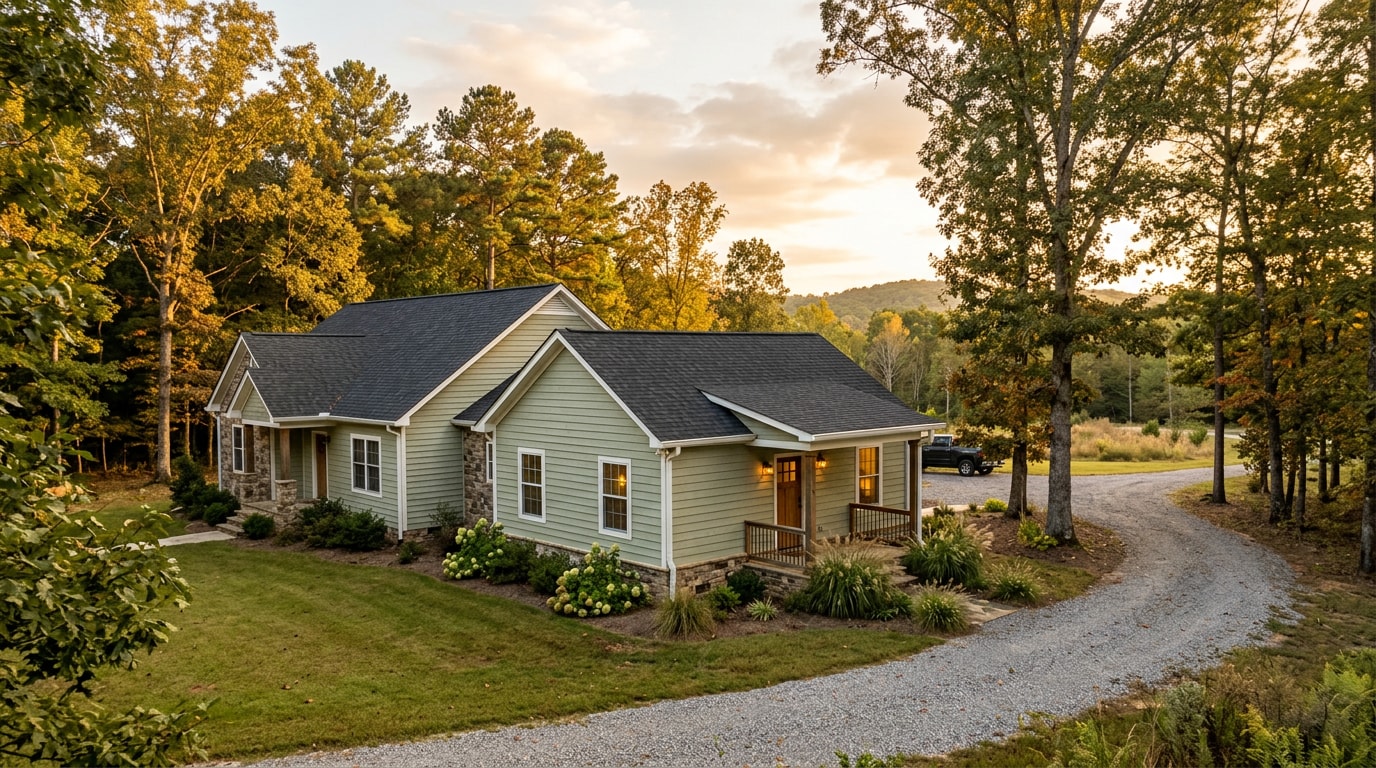
New construction and additions are steady work in the county, especially on lake lots and family land being split for a second home. If you're adding living space rather than building new, our guide to a sunroom addition's types, costs, and permits covers a lot of the same permitting logic that applies to additions here.
Related services: Custom Home Construction, Home Additions, Home Renovation.
Kitchen and Bathroom Remodeling
Older farmhouses and lake cabins throughout the county tend to need kitchen and bath updates more than full rebuilds. These projects are also where vague bids cause the most cost creep, so get a detailed scope before work starts.
Related services: Kitchen Remodeling, Bathroom Remodeling.
Site Work, Land Clearing, and Foundations
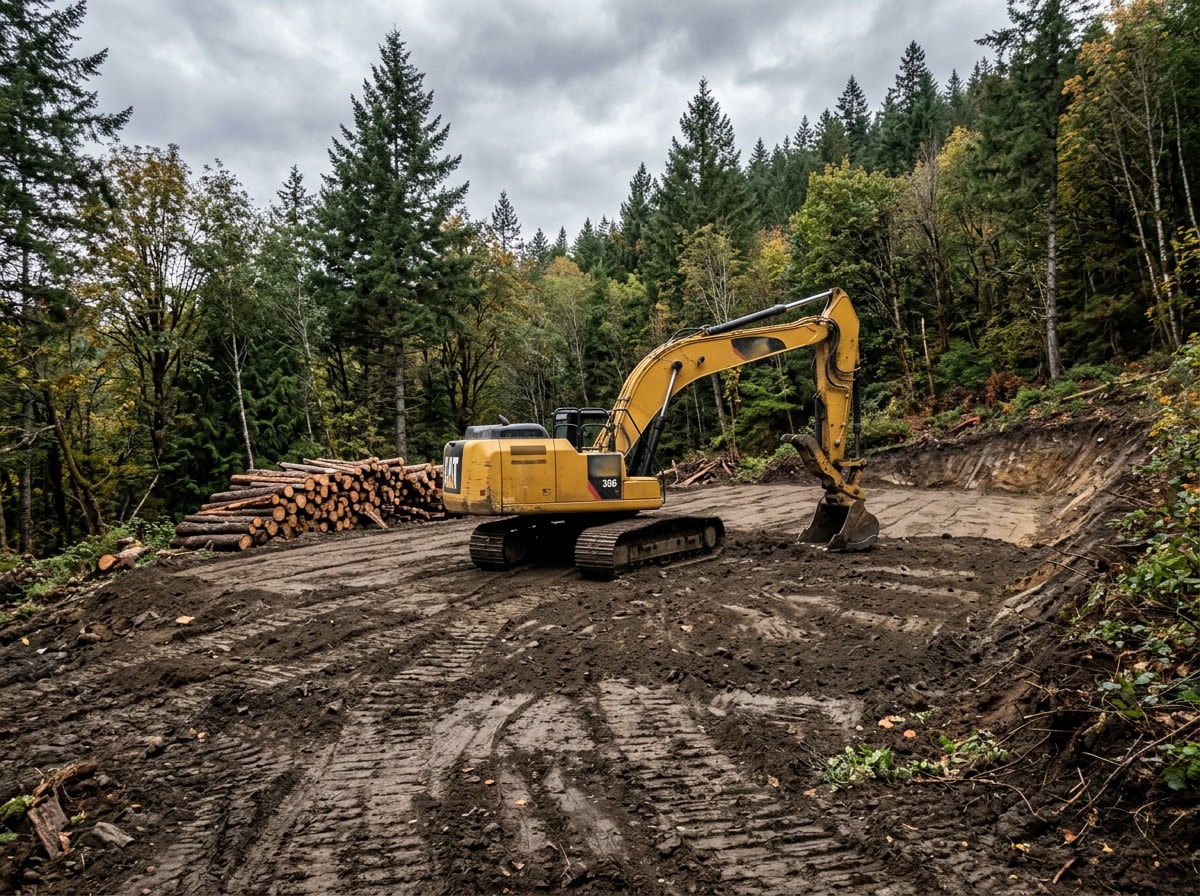
Rural and lakefront lots often need grading, clearing, and a prepared pad before a foundation goes in, work that a straightforward subdivision lot usually skips. We've graded building pads on sloped Cherokee County lots where the site work ended up costing more than the homeowner's original foundation estimate, simply because the ground wasn't flat to begin with.
Related services: Excavating Contractor, Site Work and Excavation, Land Clearing, Pads and Foundations, Site Preparation, Driveway Construction.
Retaining Walls and Erosion Control
Hilly lots and lake-adjacent property lines in Cherokee County see real erosion pressure, especially after heavy spring rain. Retaining walls and slope stabilization aren't optional extras here, they're often what keeps a driveway or foundation in place.
Related services: Masonry Contractor, Retaining Wall Construction, Slope Stabilization, Erosion Control, Concrete Finishing.
Septic Systems for Rural and Lakefront Properties
Much of Cherokee County is outside municipal sewer service, so septic design and installation come up on nearly every new build or major addition. Lakefront lots add another layer, since drain field placement has to account for proximity to the water.
Related services: Septic System Contractor, Septic System Installation, Septic System Design, Drain Field Installation.
DIY vs. Hiring a Licensed Contractor
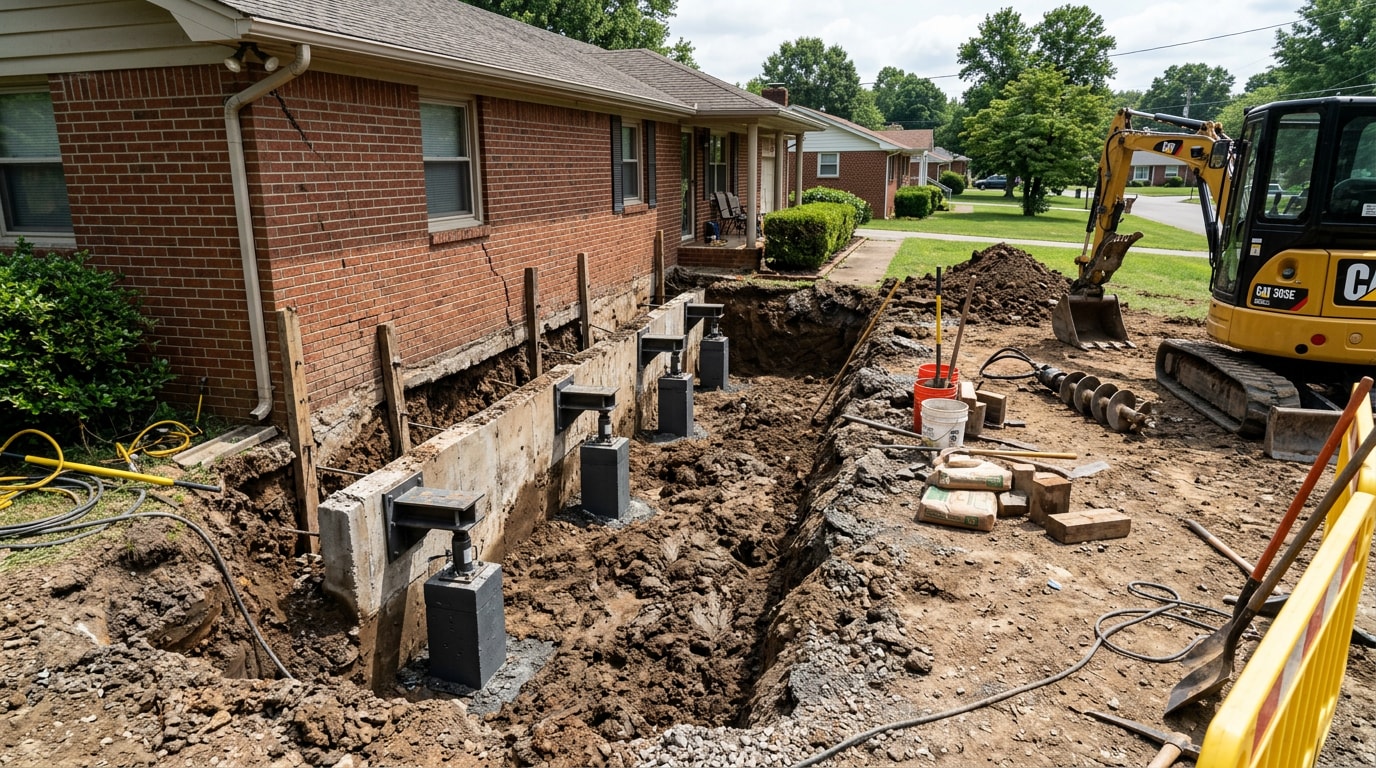
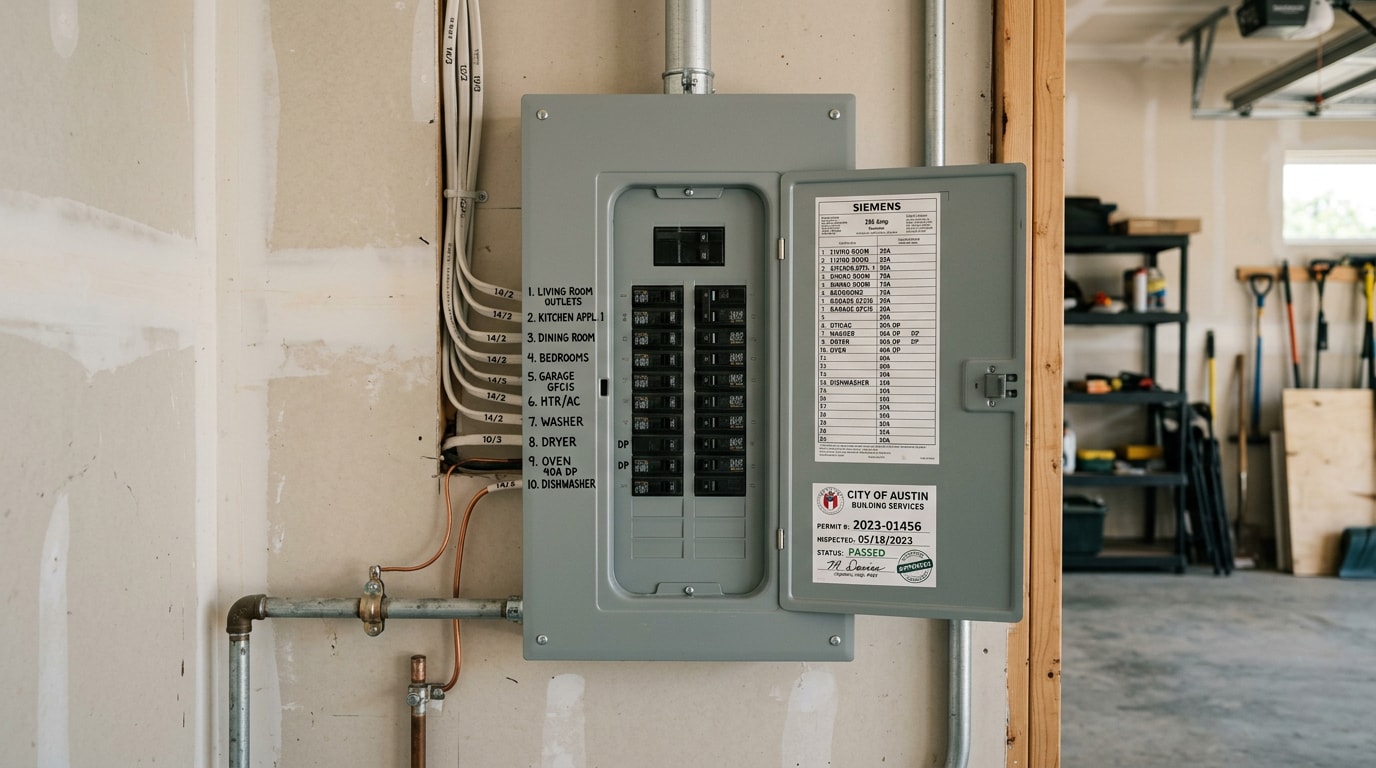
Some fixes are genuinely fine to handle yourself: painting, minor landscaping, a fixture swap. Structural work is different. Anything involving load-bearing walls, foundation repair, electrical panels, or a permitted addition should go to a licensed contractor.
There's a safety argument too, not just a legal one. Falls are the leading cause of death in construction, accounting for 389 of the 1,034 construction fatalities recorded in 2024 . If a job involves roof access, scaffolding, or cutting into a wall you're not sure is load-bearing, that's the line where DIY stops making sense.
How to Save Money When Hiring a Building Company
Cost control starts before you sign anything. Get at least three quotes for any sizable project, pricing varies more than people expect for identical scopes of work. Be specific when describing the project; vague requests lead to vague bids that balloon once work starts.
A few other ways to control cost:
- Negotiate on timing. Booking in late fall or winter, when crews have lighter schedules, can get better pricing.
- Bundle smaller repairs into one project if a company would otherwise need multiple site visits.
- Lock in materials early if lumber or roofing prices are trending upward that season.
Contractor Availability and Costs in Cherokee County for 2026
Finding an open contractor fast is simple. Finding one that's open and right for the job takes more planning. Heading into 2026, demand for residential construction and repair work across northeast Alabama remains steady, with many established building companies booking four to eight weeks out for standard remodeling and longer for new-build construction.
Material costs have stabilized compared to the sharper swings of a few years ago, though lumber and roofing pricing still shift with the seasons. Alabama's primary severe weather season runs in spring, from March through May , so booking site work and roofing-adjacent projects before then tends to mean better availability and sometimes better pricing than waiting until storm season drives up demand.
What to Do If You Can't Find the Right Building Company
If your search keeps stalling, widen your radius before you lower your standards. A reputable building company one county over may still service Cherokee County, especially for larger projects.
It's also worth re-checking a company you ruled out earlier. Availability and pricing shift, and a contractor who was booked solid last month might have an opening now. A few extra weeks spent researching almost always costs less than redoing work from a contractor who wasn't the right fit. Start with our homepage to see the full range of services we cover across Cherokee County and the surrounding areas.
FAQ
How Do I Find Reliable Builders Near Me in Cherokee County, AL?
Start with personal referrals from neighbors or local Facebook groups, then cross-check names against directories that verify licensing and insurance. Trade associations and building-supply store staff are also reliable sources since they deal with contractors regularly.
How Much Does It Cost to Hire a General Contractor in Alabama?
Costs vary too widely by project size and scope for a single number to be useful. Getting at least three local quotes is the most reliable way to understand real pricing for your project. Reach out through our contact page for a personalized estimate.
What's the Difference Between Alabama's Two Contractor Licensing Boards?
The LBGC covers commercial, industrial, and public-works projects of $100,000 or more. The HBLB covers residential projects of $10,000 or more (or $2,500 or more for roofing). A license from one board doesn't cover work regulated by the other, so always confirm which board applies to your project.
What Questions Should I Ask Before Hiring a Builder?
Ask about licensing and insurance status, payment schedule structure, estimated timeline, and how change orders are handled. Request references from clients with similar completed projects, and ask how the company communicates updates during the build.
How Do I Know If a Contractor Is Licensed and Insured?
Ask directly for their license number and insurance certificate, then verify both independently. For projects over $100,000, check the Alabama Licensing Board for General Contractors; for residential projects over $10,000, check the Alabama Home Builders Licensure Board. A legitimate contractor won't hesitate to provide this information upfront.
Do I Need a Permit for a Home Addition in Cherokee County, AL?
Most additions that add square footage or touch structural, electrical, or plumbing systems require a permit through the local building authority. Check with your contractor and the county before work starts, since unpermitted structural changes can create problems when you sell the home later.