Shipping container home builders in Cleveland, TN are fielding more calls every year, but most homeowners start the process without knowing what a container shell actually costs once it's wired, insulated, and sitting on a permitted foundation. This guide breaks down real 2026 pricing, what a qualified local builder should know about steel modifications, and the permit steps Bradley County will actually ask for. Skip the generic national estimates: here's what applies on the ground in Cleveland.
What Is a Shipping Container Home?
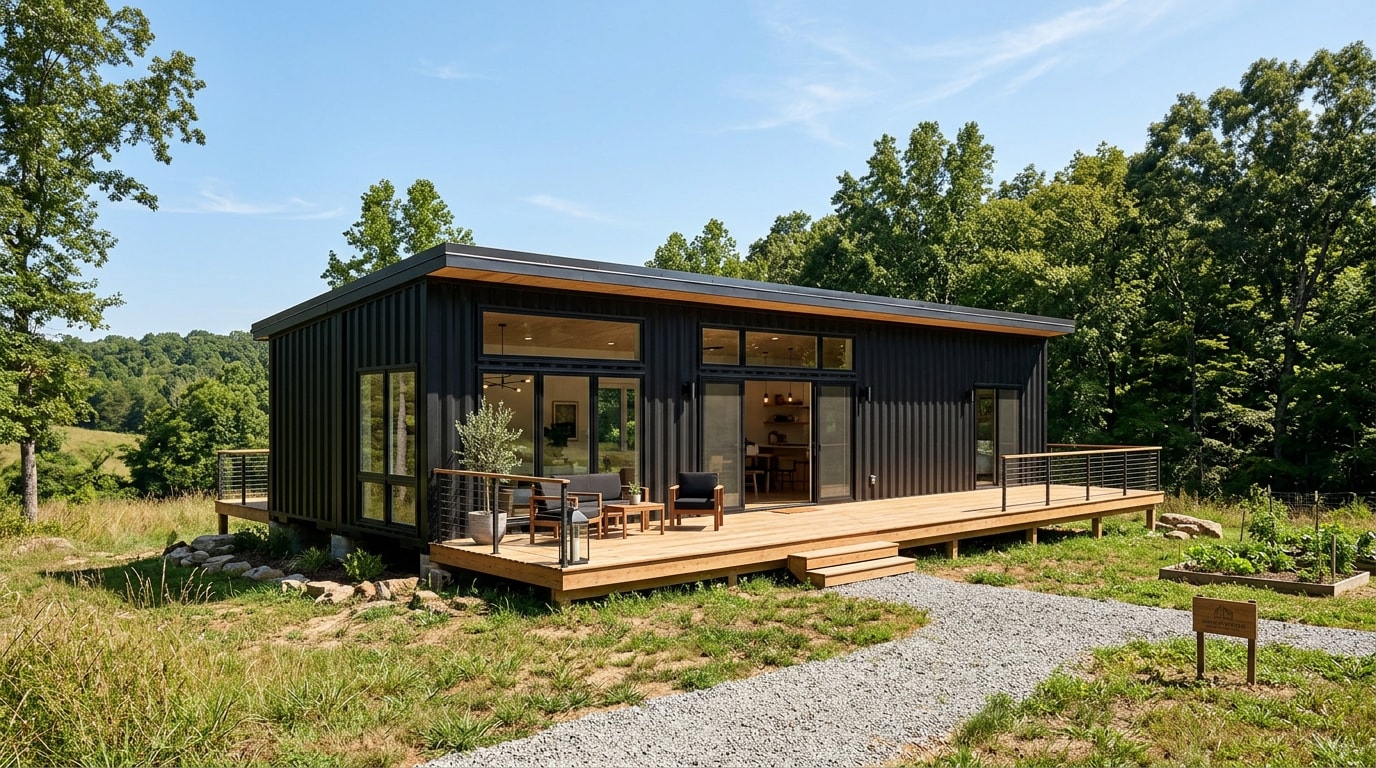
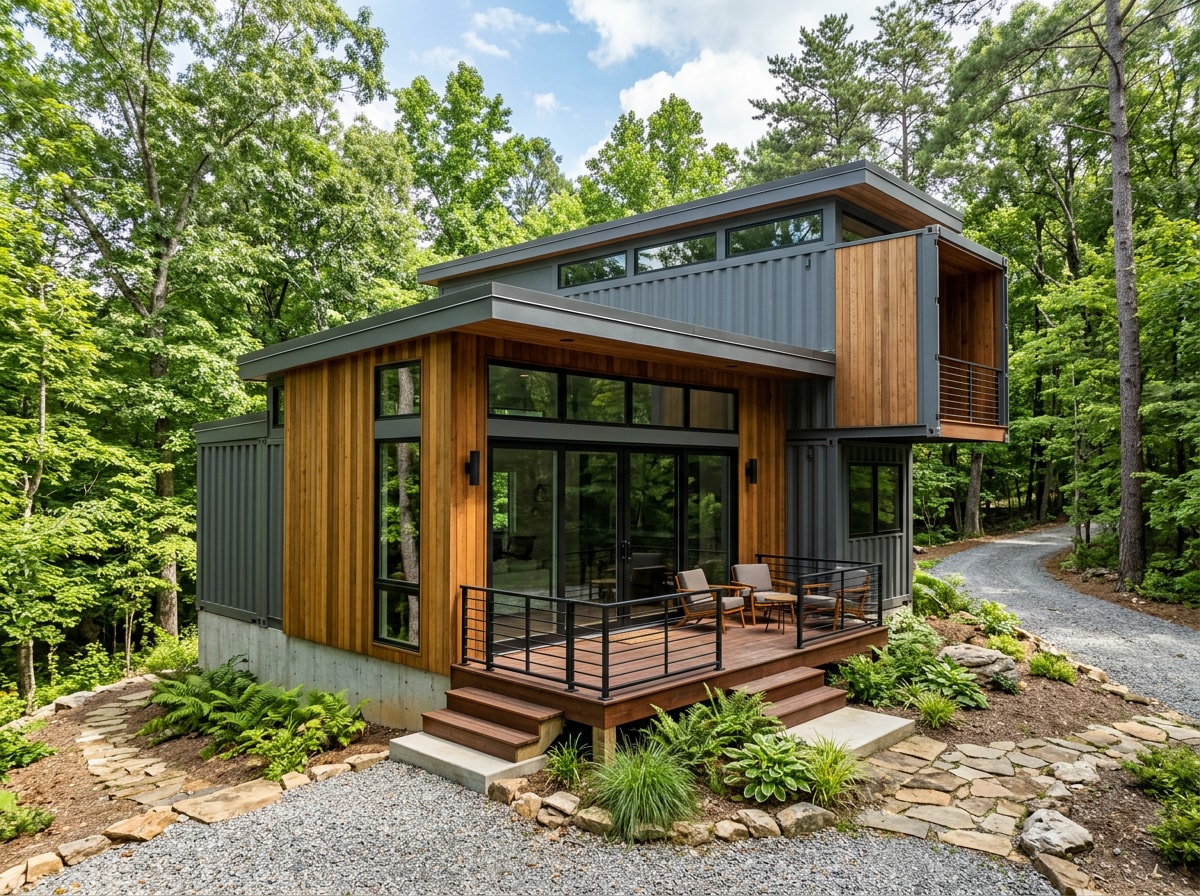
A shipping container home is a livable structure built from one or more repurposed steel ISO cargo containers that have been cut, reinforced, and converted into a functional house. Builders add insulation, wiring, plumbing, windows, and interior finishes to turn a steel box into a comfortable living space.
The appeal goes beyond novelty. Each converted container keeps a large steel structure out of a scrapyard, which is why container builds get grouped with sustainable construction. For buyers who want a smaller environmental footprint without sacrificing durability, a container home sits between modular construction and traditional framing.
Shipping Container Home Builders in Cleveland, TN
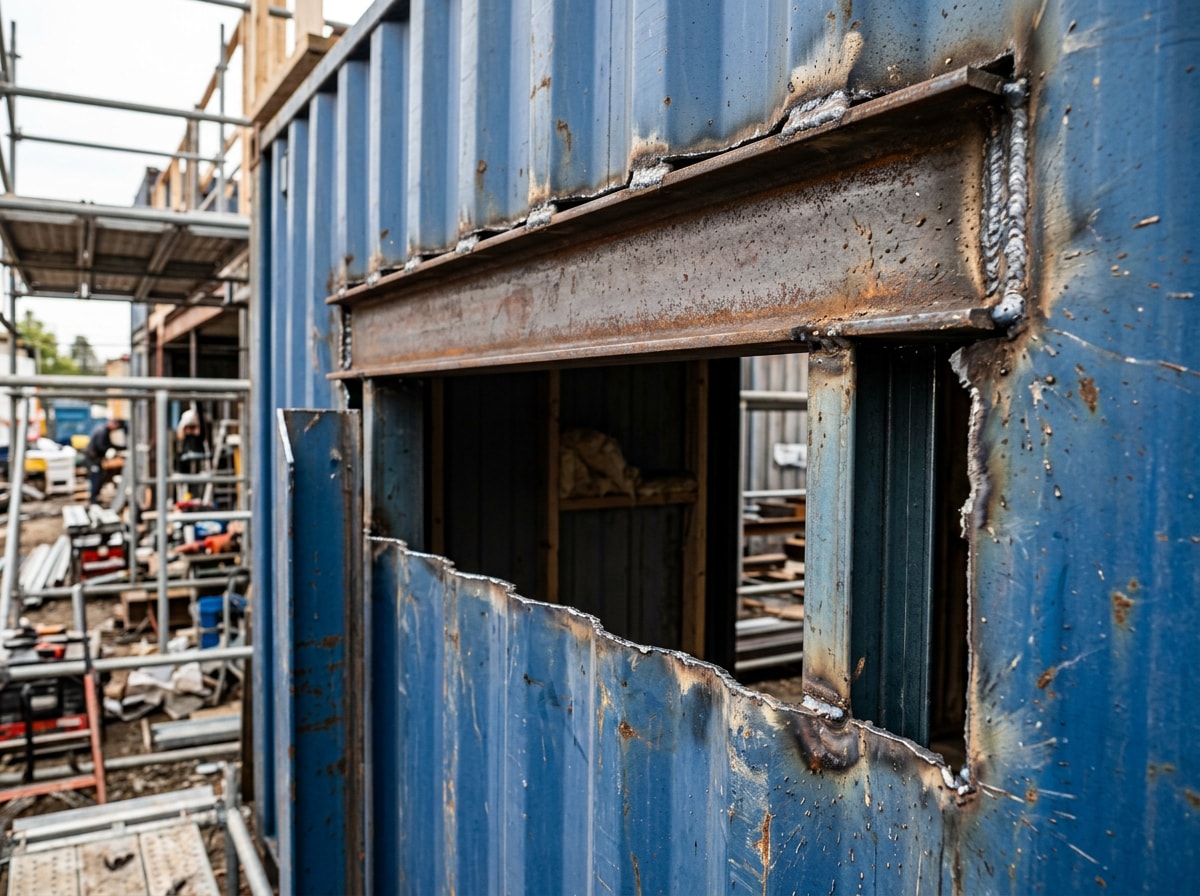
Not every general contractor has the fabrication experience to safely cut and reinforce steel containers. A true container home builder understands structural modifications like header reinforcement around window and door openings, corrosion protection, and how to tie multiple units together without compromising the load path.
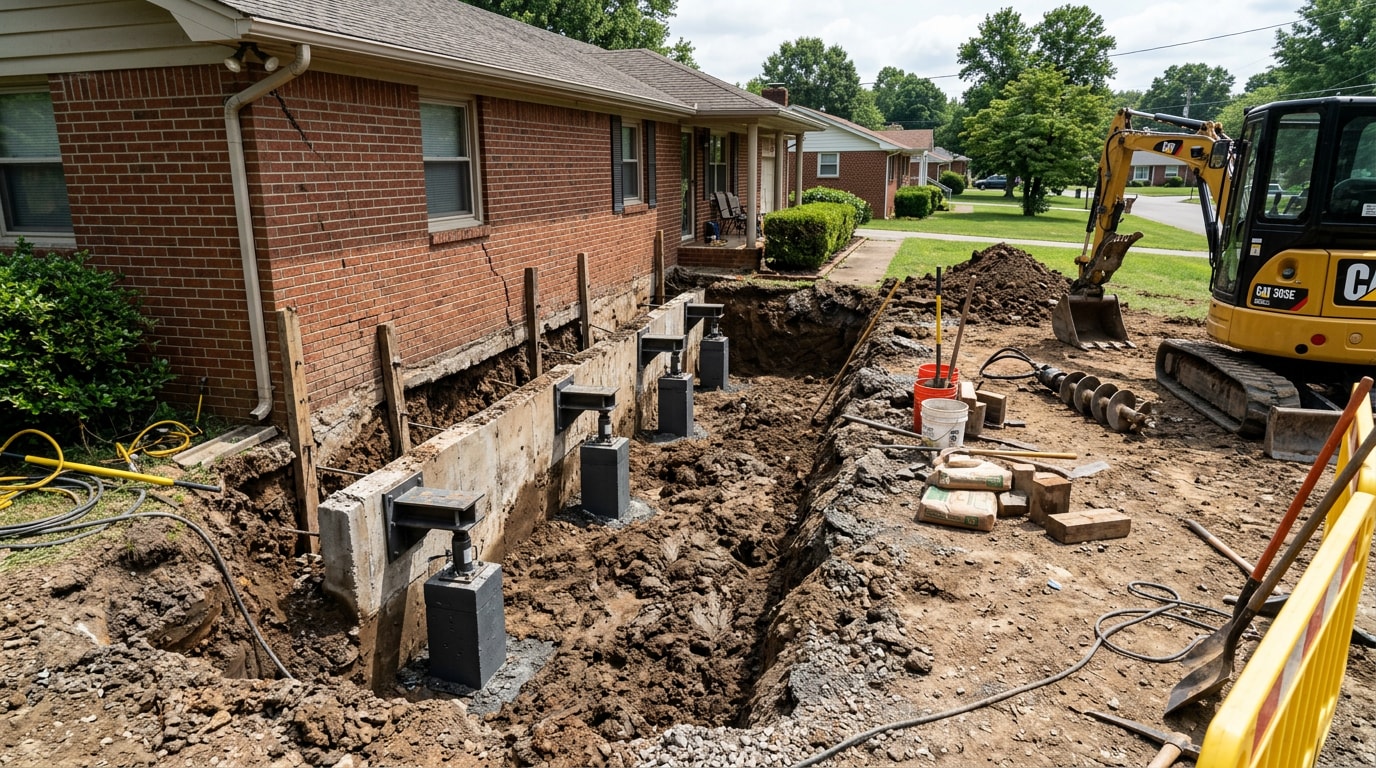
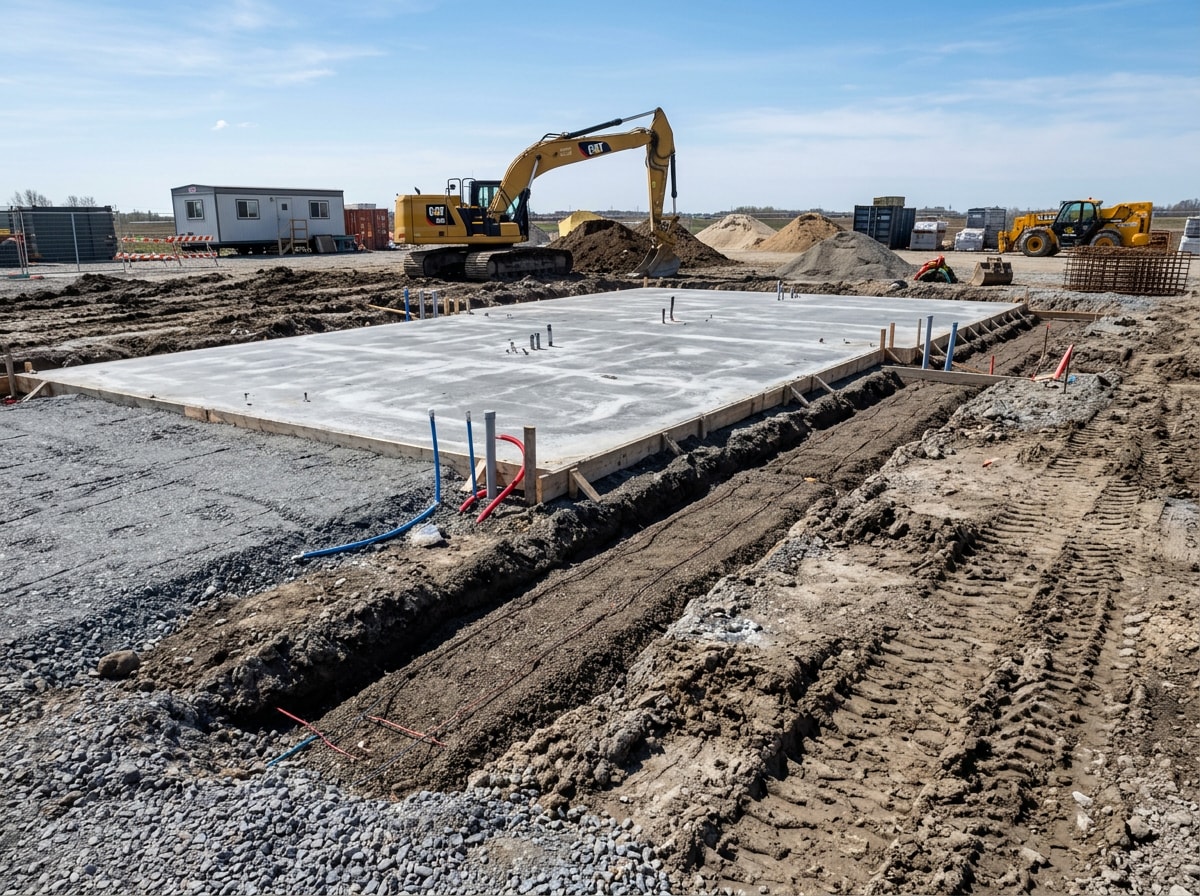
In our site-work and foundation crews' experience preparing pads for custom builds across Bradley County, the foundation, septic, and utility coordination is where container home timelines actually slip, not the container shell itself. The shell can arrive pre-cut and wired in weeks; a site that isn't graded, perc-tested, or permitted yet will stall the whole project regardless of how fast the container fabricator works.
What to Ask Before Hiring a Local Builder
- Has the builder completed a container project you can tour in person, not just see in renderings?
- Who stamps the structural plans, and is that engineer licensed in Tennessee?
- How does the builder handle corrosion protection at cut edges and welds?
- Will the same company coordinate foundation, septic, and utility work, or will you need to hire that separately?
- Can they provide references from the past two years, since techniques and code expectations shift?
A short phone call to a past client usually reveals more about reliability than a polished portfolio page. If a builder can't walk you through their process for structural engineering, insulation strategy, and permit approval from start to finish, keep looking. The same vetting logic applies to any specialty trade you bring onto a build; our guide on choosing scaffolding contractors in Hixson, TN covers crew-vetting criteria that carry over directly to container fabrication crews.
Permits, Engineering Stamps & Code Compliance
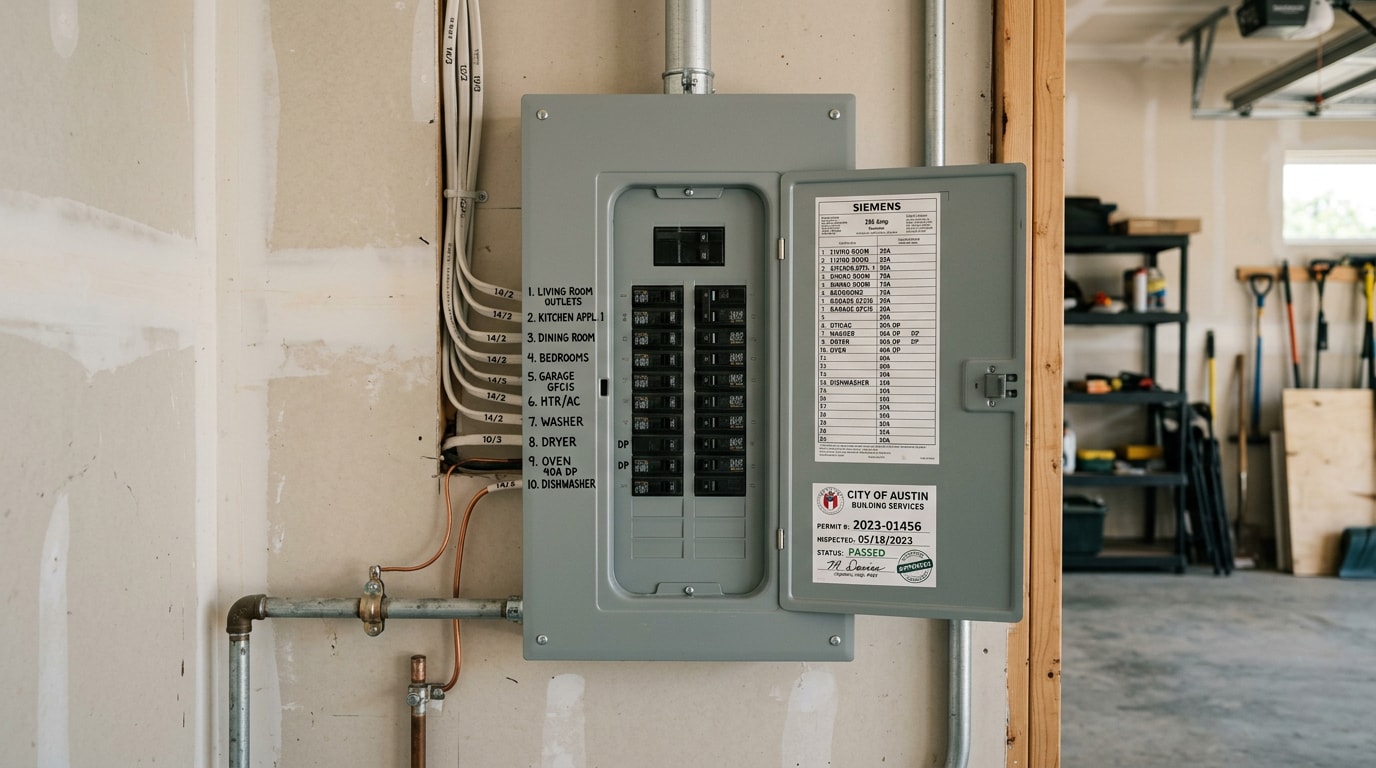
A professional engineer's stamp on your container home plans confirms a licensed structural engineer has reviewed the design against load, wind, and seismic requirements for your specific site. Without it, Tennessee building departments generally won't issue a permit for permanent residential construction.
Container-specific structural provisions now live in the International Building Code. The 2021 edition added Section 3115, which the International Code Council uses to govern how intermodal shipping containers are documented and engineered when repurposed as buildings. Most Tennessee jurisdictions adopt the IBC and IRC with local amendments, so Bradley County's building department can confirm which edition is enforced and whether local amendments affect foundation anchoring or insulation details.
Call the Cleveland or Bradley County building office before buying land or signing a contract. Ask what documentation they require, including whether a stamped structural plan must be submitted before or after foundation work begins. Skipping this step is the most common reason container projects stall mid-build.
If your build also needs a septic system rather than municipal sewer, loop that into permitting early. Our teams handle septic system installation and septic system design for custom builds throughout Bradley County, and perc testing needs to happen before you finalize a foundation location.
Shipping Container Home Cost in Cleveland, TN (2026 Breakdown)
Container home pricing is usually quoted per square foot, and most 2026 industry cost guides put a fully finished container home at roughly $150 to $350 per square foot, with prefab builds landing lower and fully custom designs pushing toward the top of that range. Here's how that translates by size:
| Home Type | Approx. Square Feet | Containers Needed | Typical Total Cost |
|---|---|---|---|
| Studio | 160 | 1 | $15,000–$25,000 |
| 1 bed / 1 bath | 320 | 1–2 | $25,000–$82,000 |
| 2 bed / 1 bath | 640 | 2–3 | $80,000–$130,000 |
| 2 bed / 2 bath | 960 | 3–4 | $100,000–$180,000 |
| 3 bed / 2 bath | 1,280 | 4 | $150,000–$220,000+ |
Here's a number the national cost guides don't mention: Tennessee sits in the Census Bureau's East South Central division, and recent NAHB analysis of new single-family construction found the median price in the East South Central division was $133 per square foot, representing the most affordable prices per square foot of any region tracked. That matters for container shoppers here specifically. If conventional stick-built homes in Bradley County are already priced below the national average, the cost gap between a container home and a traditional build is smaller in Cleveland than the national marketing materials suggest. A container shell still saves money, but don't expect the dramatic 50% savings figures that circulate online to hold up once you add foundation, septic, and finish work at local labor rates.
What Actually Moves the Price
- Used vs. new containers. Used units cost less upfront but may need more corrosion remediation.
- Number of cuts. Every window, door, and connection point between containers adds engineering and labor cost.
- Foundation type. A full concrete slab costs more than helical piers but handles Tennessee's clay soil better long-term.
- Finish level. An unfurnished shell saves money upfront but needs a separate finishing budget that can add $20,000 to $60,000 depending on size.
- Site access. A wooded or sloped lot adds grading, land clearing, and driveway costs before the container ever arrives.
If a detailed number matters to you now instead of a range, a free estimate that accounts for your actual lot, soil, and septic needs is a faster path than guessing from national averages.
Why Build a Shipping Container Home in Cleveland, TN?
Cleveland's mix of affordable rural land and growing demand near Chattanooga makes it a reasonable place to build a container home. Land costs here tend to run lower than in metro Chattanooga, which stretches your budget further when you build on an acre or two outside town.
Construction timelines are often shorter too, since much of the structural shell can be fabricated off-site while foundation and utility work happen in parallel. That matters in Southeast Tennessee's humid climate, where a shorter build window means less exposure to summer storms and moisture damage mid-construction. For a closer look at local project conditions, see our Cleveland, TN area page and Bradley County, TN area page.
Designing a Floor Plan for a Shipping Container Home
Single-container homes work well on narrow lots and typically max out around 320 square feet per 40-ft unit, while multi-container layouts open up larger floor plans by combining two or more boxes side by side or stacked. Standard container dimensions, roughly 8 feet wide and either 20 or 40 feet long, shape nearly every design decision, from hallway placement to furniture sizing.
Insulation deserves early attention given Tennessee's humid summers. Steel conducts heat far more readily than wood framing, and according to a Department of Energy fact sheet, an insulated metal wall's overall R-value can be as low as half the insulation's rated R-value once thermal bridging through the steel is accounted for. Plan your HVAC system around that insulation strategy rather than as an afterthought, and budget for continuous exterior insulation rather than cavity fill alone.
Before finalizing a container count, confirm your lot can handle the foundation and access work. Our site work and excavation and pads and foundations teams grade, clear, and prep sites for custom builds throughout the area, and you can browse completed site work in our Projects gallery.
Ready to get real numbers for your lot instead of national averages? Get a Free Estimate from our team, or start with our general contractor services and custom home construction pages to see how we scope a project from site work through final permit sign-off. You can also explore everything we offer at stessaconstruction.com.
FAQ
Are shipping container homes legal in Tennessee?
Shipping container homes are legal in Tennessee, but approval depends on local zoning and building department rules rather than a single statewide standard. Always check with the Cleveland or Bradley County building office before purchasing land for a container project.
Do you need a permit for a shipping container home?
Yes. Permanent residential use requires a building permit and typically an engineered-plan review, which differs from the rules covering temporary storage container placement. Confirm zoning approval before finalizing any site plans.
Are shipping container homes cheaper than traditional homes?
Shell costs are often lower than traditional construction, but finishing, insulation, foundation, and engineering can close much of that gap. In Tennessee specifically, where conventional construction already runs below the national average, the savings are smaller than national marketing figures suggest. Treat any cost comparison as a starting estimate rather than a guaranteed savings figure.
Can you live permanently in a shipping container home?
Yes, provided the structure sits on a permanent foundation and meets local residential code requirements. A properly permitted, engineer-approved container home can serve as a full-time, livable residence just like any other house.
How long does it take to build a shipping container home?
A single-container shell can often be fabricated in a few weeks, but a full build, including site prep, foundation curing, permitting, and finish work, typically takes two to five months depending on size and how many containers are involved.
What are the downsides of a shipping container home?
Steel conducts heat and cold more than wood framing, which raises insulation costs. Cutting openings for windows and doors requires engineered reinforcement, and financing can be harder to secure than for a conventional mortgage since many lenders still treat container homes as nonstandard construction.